Alan Greenspan, Longtime Federal Reserve Chairman Who Helped Shape Modern Economic Policy, Dies at 100
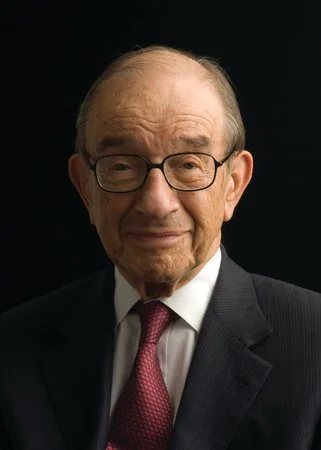
Alan Greenspan, one of the most influential economists in modern history and the former chairman of the Federal Reserve, has died at the age of 100, closing the chapter on a career that helped shape American and global economic policy for nearly two decades.
Greenspan served as Chairman of the Federal Reserve from 1987 to 2006, making him one of the longest-serving leaders in the institution’s history. During his tenure, he worked under four U.S. presidents from both political parties and guided the nation’s central bank through some of the most consequential economic events of the late 20th and early 21st centuries.
His leadership spanned the 1987 stock market crash, the recession of the early 1990s, the technology boom, the Asian financial crisis, the aftermath of the September 11 attacks, and the early years of the housing market expansion. Throughout those periods, Greenspan became one of the world’s most closely watched economic figures, with investors and governments alike paying close attention to his decisions on interest rates and monetary policy.
Known for his measured approach and carefully crafted public remarks, Greenspan earned the nickname “The Maestro” as his influence extended far beyond Washington. His testimony before Congress and speeches often moved financial markets, reflecting the growing role of the Federal Reserve in shaping both domestic and global economic confidence.
Greenspan’s legacy remains both significant and complex. Supporters credit him with helping oversee one of the longest periods of economic expansion in American history during the 1990s, while critics have argued that some of the policies adopted during his tenure contributed to financial risks that became evident during the 2008 financial crisis. In later years, Greenspan openly acknowledged that certain assumptions about financial markets had proven flawed, adding another dimension to an already influential career.
Before leading the Federal Reserve, Greenspan served as Chairman of the Council of Economic Advisers under President Gerald Ford and established himself as a respected economist and consultant. Even after leaving office, he remained an active voice on economic policy through books, public appearances, and commentary on global markets.
Regardless of differing opinions about his economic philosophy, few public servants have had a greater impact on monetary policy than Alan Greenspan. His decisions influenced borrowing costs, inflation, employment, investment, and financial markets across the globe, making him one of the defining economic figures of his generation.
Alan Greenspan’s passing marks the end of an era in American economic leadership. His legacy will continue to be examined by economists, historians, policymakers, and financial leaders for decades to come as they assess the lasting impact of a career that helped shape the modern global economy.