Canada and China Announce Landmark Trade Deal in Beijing — A Strategic Pivot with Major Global Implications
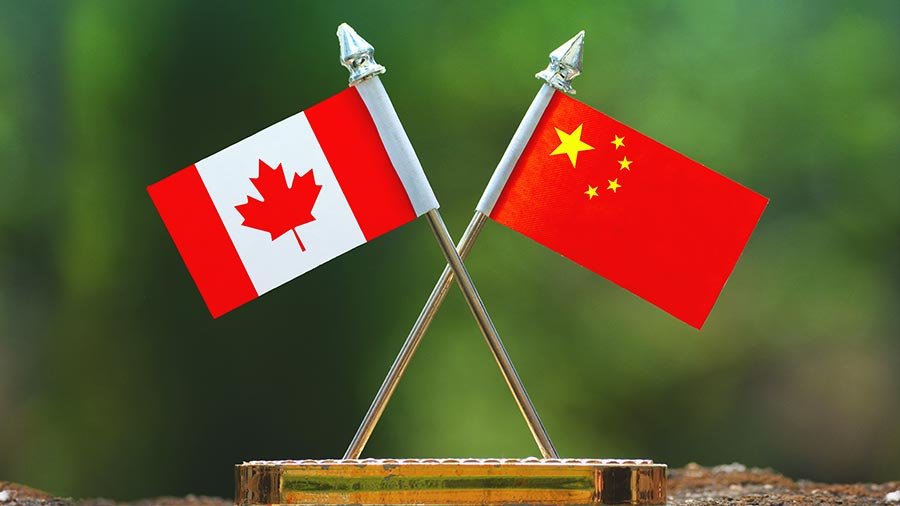
In a significant shift in global commerce and diplomatic relations, Canada and China have unveiled a broad new trade deal following high-level talks between Canadian Prime Minister Mark Carney and Chinese President Xi Jinping in Beijing. The agreements, announced on January 16 during Carney’s first official visit to China in nearly a decade, mark a major step toward easing longstanding trade tensions while diversifying Canada’s economic partnerships amid ongoing tariff disputes with the United States.
What the Deal Includes
The preliminary trade agreement between Ottawa and Beijing includes a series of tariff reductions and market-opening measures designed to restore and grow two-way commerce:
Tariff adjustments on electric vehicles — Canada agreed to lower its 100% tariff on a set quota of 49,000 Chinese electric vehicles per year to a preferential rate of about 6.1%, with plans to increase that quota over time.
Expanded access for Canadian agricultural products — China will reduce combined tariffs on key Canadian exports such as canola seed from roughly 84% to around 15% by March 1, 2026, and lift discriminatory duties on canola meal, peas, lobsters and crabs through the end of the year.
Market certainty and investment plans — The managed quota system and tariff adjustments are expected to support joint ventures and Chinese involvement in Canada’s EV supply chain, while also aiming to jump-start exports of beef, animal genetics, and other agricultural goods.
Carney described the pact as “preliminary but landmark,” emphasizing that it reflects a realistic, interest-based partnership and offers predictable market access after years of escalation and retaliation.
Why This Matters Now
This new trade deal comes against the backdrop of intensifying global economic realignment. Canada — historically one of the United States’ closest economic partners — has sought to reduce its reliance on American markets, where President Donald Trump’s sweeping tariffs on steel, aluminum and other sectors have strained relations and raised uncertainty about trade policy.
China, similarly affected by U.S. protectionist measures, has been willing to embrace closer cooperation with Ottawa in areas where mutual economic benefits exist. The emerging partnership signals that U.S.-led trade decoupling is not universally embraced, even among key U.S. allies, and that some countries are prioritizing diversified commerce to buffer against economic volatility.
Implications for the United States
Canada’s strengthening of economic ties with China carries important implications for U.S. policymakers and regional trade dynamics:
Trade realignment pressure: Canada’s pivot to China highlights frustration with U.S. tariff policy and may encourage other U.S. allies to seek broader markets, potentially weakening the effectiveness of U.S. trade leverage.
U.S.-Canada economic integration: Despite the deal with China, Canada’s economy remains deeply intertwined with the U.S. — with more than 75% of Canadian exports destined for its southern neighbor — requiring Ottawa to strike a balance between diversification and maintaining North American market access.
USMCA review and policy recalibration: The evolving trade landscape could influence the upcoming review of the US-Mexico-Canada Agreement (USMCA), as Canada asserts greater autonomy in trade policy and seeks to protect its strategic economic interests.
Next Steps Following the Meeting
Implementation of tariff changes: Many of the tariff adjustments will formally take effect by March 1, 2026, providing clarity to producers and manufacturers on both sides.
Deepening sector talks: Canada and China have also agreed to ministerial-level dialogues on energy cooperation, regulatory issues and expanded trade in goods like steel, aluminum, and seafood — indicating broader strategic engagement beyond tariffs.
Monitoring U.S. reaction: Ottawa will likely continue to navigate a complex diplomatic landscape, balancing closer ties with Beijing while reassuring Washington of its continued commitment to shared security and economic frameworks. Analysts expect that Canada will pursue further diversification, targeting not only China but also other Indo-Pacific and European partners to buffer against future shocks.
Looking Ahead
While the agreement does not signal a complete realignment of Canadian foreign policy, it represents a pragmatic evolution in Ottawa’s approach to global trade — one that acknowledges shifting economic realities and seeks to create resilience through diversified partnerships. For the United States, Canada’s engagement with China underscores the limits of unilateral tariff strategies and highlights the geopolitical complexities of a multipolar global trade environment. Analysts will be watching closely as implementation proceeds, tariff lines adjust, and market access expands for both nations.