End of an Era: Spirit Airlines Shuts Down Overnight, Leaving Thousands Stranded as Industry Scrambles to Respond
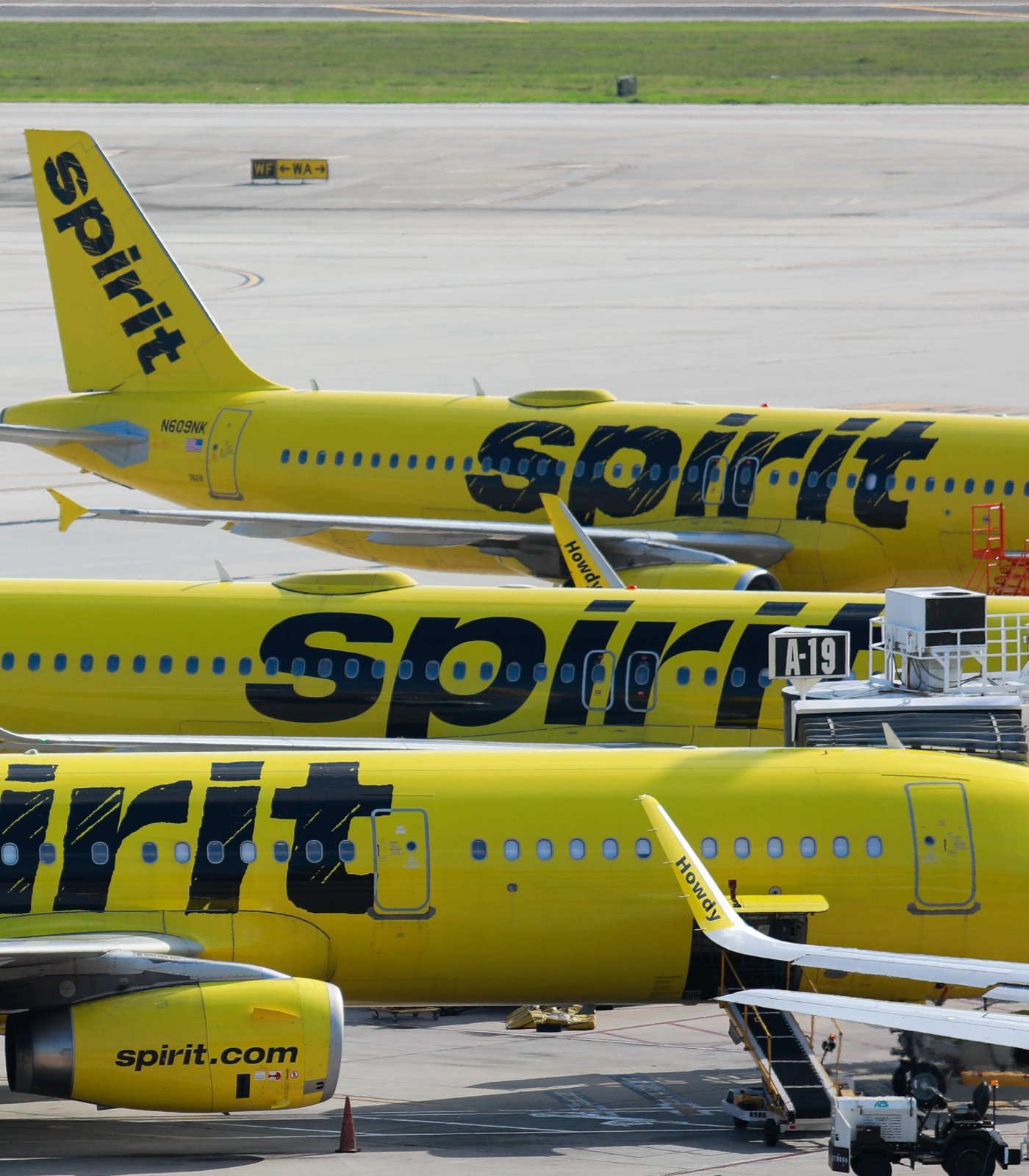
The U.S. travel industry is reeling after Spirit Airlines abruptly shut down all operations, marking the end of one of the most recognizable low-cost carriers in modern aviation — and leaving thousands of passengers scrambling for alternatives.
After more than three decades in the skies, Spirit officially ceased operations, canceling all flights and shutting down customer service with immediate effect. The sudden collapse makes it the first major U.S. airline shutdown in decades, sending shockwaves across both the travel sector and broader economy.
What Happened — and Why It Fell Apart
Spirit’s shutdown follows a series of mounting financial challenges that ultimately became unsustainable.
The airline had already filed for bankruptcy multiple times in recent years, struggling to recover from pandemic-era losses while facing rising fuel costs, increased labor expenses, and fierce competition from both budget and legacy carriers.
Efforts to secure a $500 million federal bailout failed, and previous merger attempts — including a highly scrutinized deal with JetBlue — were blocked, leaving the company without a viable path forward.
With liquidity drying up and operational costs surging, the airline made the decision to begin an immediate wind-down of its business.
Immediate Fallout for Travelers
The impact was instant.
All flights were canceled
Customer service shut down
Passengers were advised not to go to airports
For travelers, the situation quickly turned into a race to rebook flights — often at higher prices — as competing airlines stepped in with limited “rescue fares” and capped pricing options.
Refunds are expected for those who booked via credit or debit cards, while others — including those with vouchers or loyalty points — may have to wait for resolution through bankruptcy proceedings.
Airlines Step In — and Seize Opportunity
Almost immediately, major carriers moved to fill the gap.
Delta, United, Southwest, JetBlue, and others began offering discounted or capped fares for displaced Spirit passengers — a move that is both a relief effort and a strategic play to absorb demand.
In fact, Delta publicly acknowledged the moment, offering reduced “rescue fares” across domestic routes and routes between the U.S. and Latin America for affected travelers — a direct response to the sudden disruption.
What This Means for the Industry
Spirit’s collapse is more than just a company failure — it’s a structural shift.
For years, the airline’s ultra-low-cost model helped keep prices competitive, particularly on leisure routes to destinations like Florida and the Caribbean. With that pressure now removed, industry analysts expect airfares to rise, especially in markets where Spirit had a strong presence.
The shutdown also reignites debate around consolidation in the airline industry, with some arguing that earlier merger approvals could have prevented this outcome.
Jobs, Access, and the Bigger Picture
Beyond passengers, the human impact is significant.
Roughly 17,000 employees are now affected by the shutdown, with federal and industry leaders working to redirect workers into other airline roles where possible.
But the broader question remains: what happens when low-cost access disappears?
Spirit played a critical role in making air travel more affordable for millions. Its absence could reshape not only pricing, but who gets to travel — and how often.
The Bottom Line
Spirit Airlines didn’t just sell cheap flights — it disrupted the system.
Its sudden shutdown is a reminder of how fragile the economics of travel have become, and how quickly the landscape can shift when one piece of the system collapses.
And as airlines move to absorb its routes and passengers, one thing is already clear:
The era of ultra-low-cost air travel just took a major hit.