History Through the Lens: Sinners Wins Cinematography Oscar as Autumn Durald Arkapaw Makes Academy Awards History
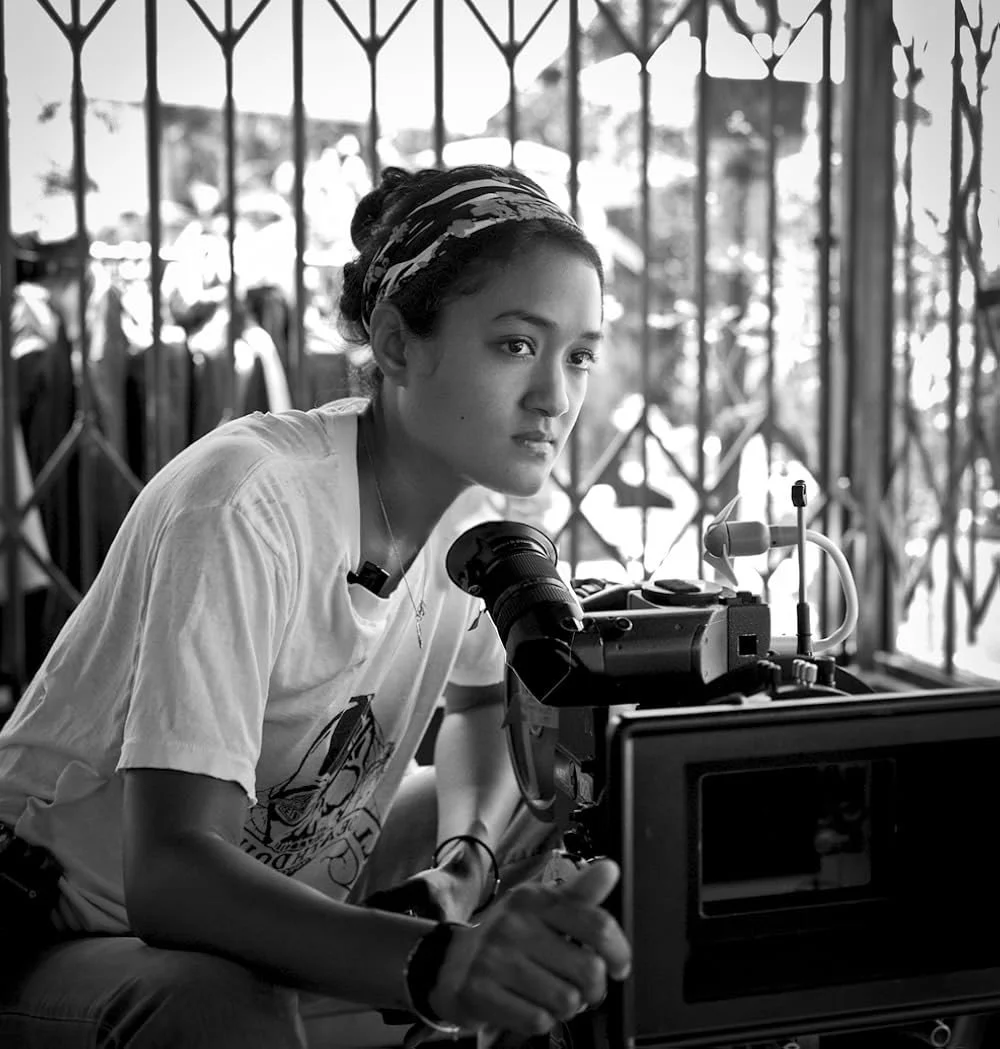
Ryan Coogler’s genre-bending film Sinners added another historic milestone to its remarkable awards season run at the 98th Academy Awards, winning Best Cinematography and cementing its place in Oscar history. The win went to cinematographer Autumn Durald Arkapaw, who became the first woman ever to win the Academy Award for Best Cinematography—a breakthrough moment in a category long dominated by men.
The victory marked a defining moment not just for Sinners but for the broader film industry, which has seen only a handful of women nominated for the category in the Academy’s nearly century-long history. Arkapaw’s work on the film—shot using large-format IMAX and Ultra Panavision 70 techniques—helped deliver the sweeping, immersive visuals that defined Coogler’s ambitious supernatural epic starring Michael B. Jordan in dual roles.
A Historic Achievement for Women Behind the Camera
For decades, cinematography remained one of the most difficult technical fields in Hollywood for women to break into. Arkapaw’s Oscar not only acknowledges her artistry but also represents a broader shift toward inclusivity in filmmaking. Before her victory, only three women had ever been nominated for the award.
Her work on Sinners was already widely praised throughout awards season, earning recognition from critics groups and major industry organizations leading up to the Oscars. The Academy’s recognition confirmed what many in the industry had already been saying: the film’s visual language—moody, expansive, and deeply atmospheric—was among the year’s most striking cinematic achievements.
The Moment That Moved the Room
The award was presented by actress Michelle Monaghan, whose remarks before announcing the winner created one of the ceremony’s most emotional moments. Reflecting on the significance of the category and the barriers women have historically faced in cinematography, Monaghan paused and asked all women in the audience to stand.
The request turned the Dolby Theatre into a moment of solidarity and celebration. Applause filled the room as actresses, filmmakers, producers, and crew members rose to their feet—many visibly moved by the acknowledgment of progress in an industry still working toward greater equality.
By the time Arkapaw’s name was announced, the moment had already become symbolic: a recognition not just of one artist’s work but of a wider shift happening across Hollywood.
A Film Already Making Oscars History
Sinners has been one of the defining films of the year, earning a record-breaking 16 Oscar nominations, the most ever for a single film.
The film’s awards success has spanned multiple categories, including Best Original Screenplay for Ryan Coogler and Best Original Score for Ludwig Göransson, alongside nominations in acting, production design, and technical fields.
Set in the American South during the early 20th century, Sinners blends horror, history, and music in a story about twin brothers confronting supernatural forces while running a juke joint in a racially divided era. The film’s bold visual style—shifting between intimate character moments and sweeping large-format imagery—has been central to its acclaim.
A Win That Signals Change
Arkapaw’s historic win represents more than a personal achievement; it signals a turning point in how Hollywood recognizes creative voices behind the camera. Her path—from music videos and independent films to major studio productions—reflects a generation of cinematographers redefining what cinematic storytelling looks like.
As the audience rose to applaud, the symbolism of the moment was unmistakable: the lens through which stories are told is becoming more diverse, more inclusive, and more reflective of the world those stories inhabit.
For Sinners, a film already defined by bold ambition and cultural resonance, the cinematography win was yet another reminder that the most powerful revolutions in cinema sometimes happen quietly—through the people behind the camera who shape what audiences ultimately see.