Icons, Institutions, and Inflection Points: The 10 Pop Culture Moments That Redefined 2025
The Year Culture Took Control: The 10 Definitive Pop Culture Moments That Redefined 2025
If 2025 proved anything, it’s that culture can seize the reins of history. From the concert stage to the silver screen, from Parisian museums to New York runways, a new vanguard of artists, storytellers, and visionaries reshaped institutions on their own terms. This was the year pop culture took control: longtime barriers toppled, records shattered, and the balance of power tilted towards creators and communities reclaiming their narratives. In an authoritative Vanity Fair-style chronicle, we explore ten defining moments of 2025 – each an essay in cultural power, authorship, and identity – and how together they signaled a future where art and entertainment drive the conversation.
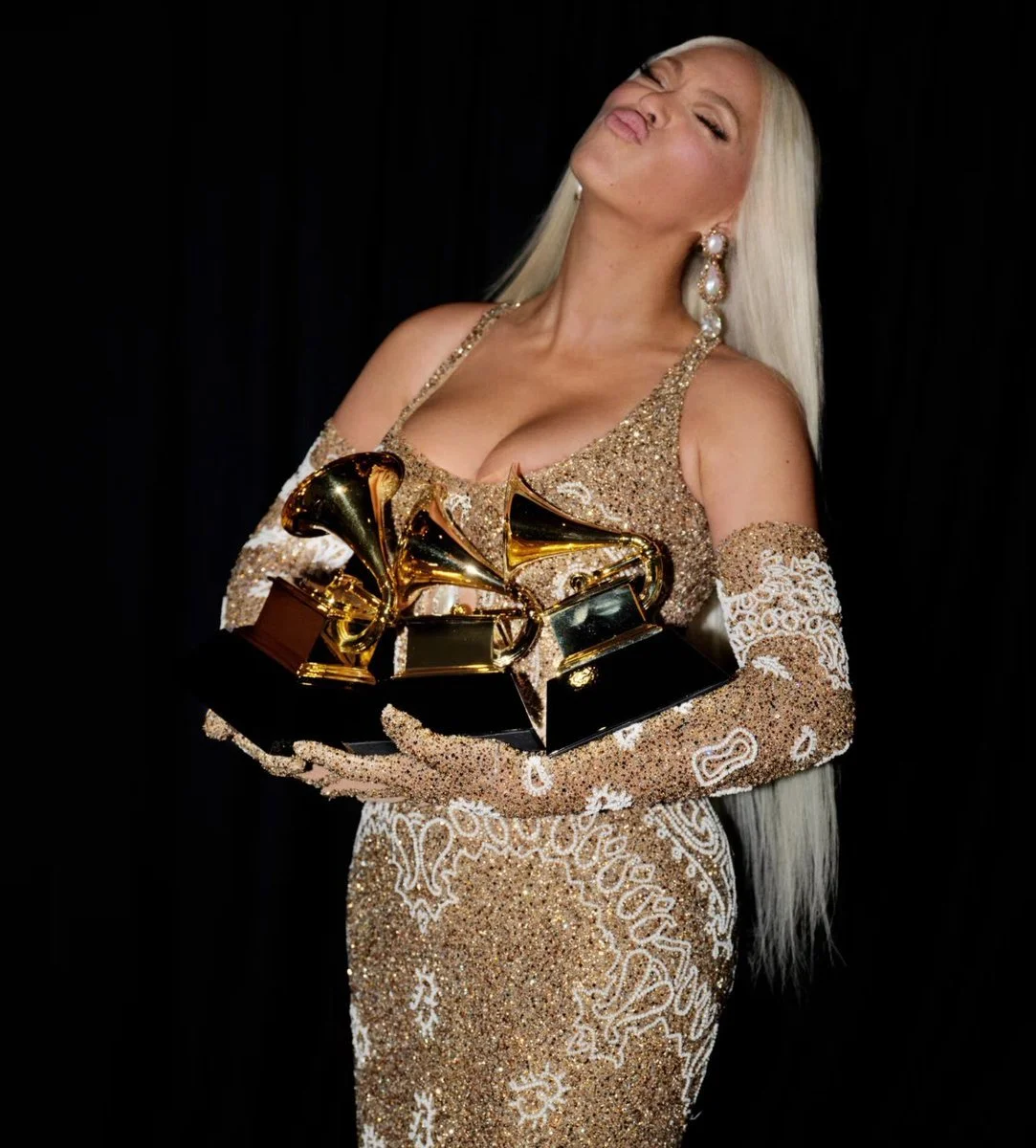
1. Beyoncé’s Cowboy Carter Era – Reclaiming Country & Breaking Records
Few moments captured 2025’s cultural zeitgeist like Beyoncé’s Cowboy Carter era. In a bold artistic pivot, the global pop icon didn’t merely visit country music; she challenged who it belongs to. The project worked on multiple levels at once: a sonic reinvention, a historical reclamation, and a meticulously engineered cultural campaign that made the “genre debate” impossible to ignore.
At the Grammys, Cowboy Carter marked a turning point. Beyoncé finally won Album of the Year and extended her standing as the most awarded artist in Grammy history. But the bigger cultural significance was how she did it: by pulling country’s Black roots back into view at the exact moment when certain political currents were trying to narrow what “American” culture should look like. The album’s references—both musical and symbolic—acted like a paper trail of influence, pointing back to the artists and traditions the genre often refuses to fully acknowledge.
Then came the tour, which wasn’t just massive—it was strategically historic. The Cowboy Carter Tour crossed into the territory of touring legend, breaking attendance records in multiple cities, generating hundreds of millions in ticket sales, and positioning itself among the highest-grossing tours ever. The spectacle wasn’t empty scale: it was scale in service of storytelling. Beyoncé’s staging used Western iconography, Black Southern imagery, and futurist Americana to turn stadiums into living museums—part concert, part thesis statement, part community gathering.
Why it mattered: Beyoncé didn’t ask for inclusion. She re-authored the narrative—artistically, economically, and historically—showing that cultural correction can also be cultural dominance.
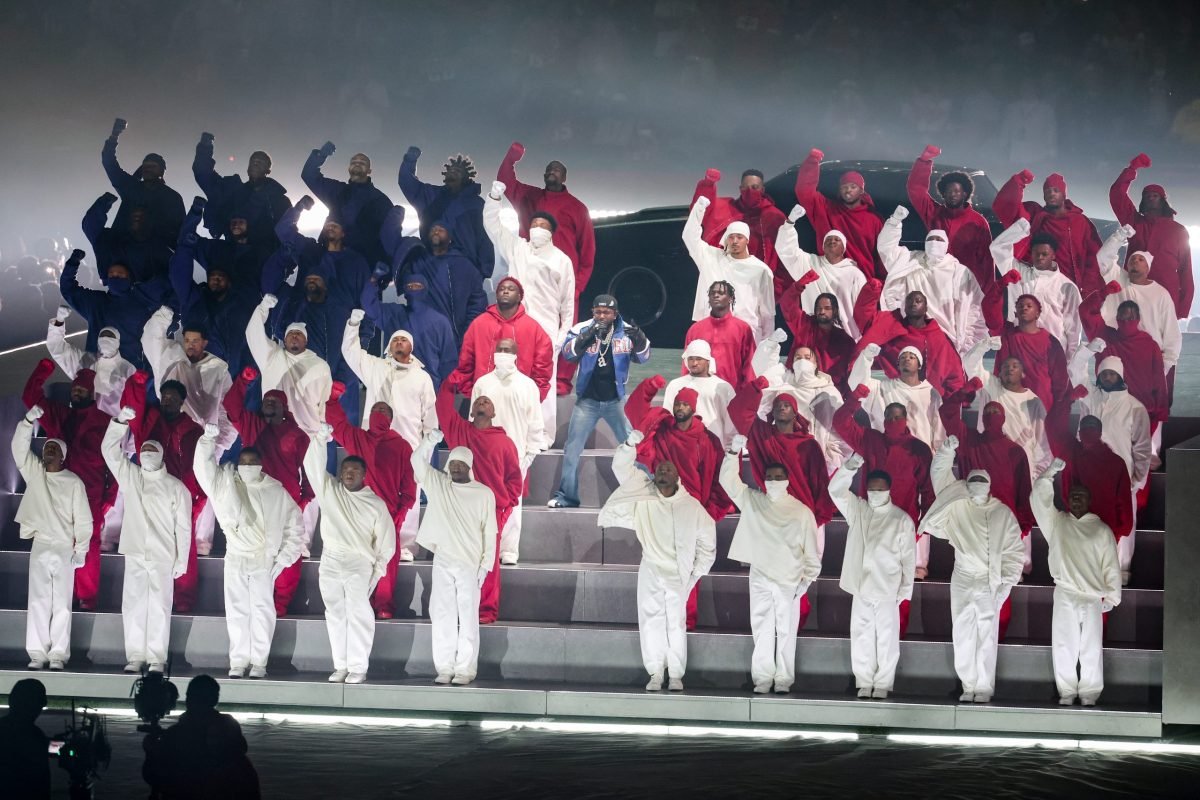
2. Kendrick Lamar’s Banner Year – Grammy Sweep, Super Bowl Showcase & a Historic Tour
If Beyoncé’s year was a reclamation of lineage, Kendrick Lamar’s was a reassertion of moral authority—hip-hop as the world’s most consequential mainstream art form.
At the Grammys, Kendrick’s sweep landed like a seismic shift: rap not only winning, but owning the room. The significance wasn’t simply the trophies—it was the statement that lyricism, social critique, and uncompromising artistry can still be rewarded at the highest institutional level, even in an era dominated by streaming algorithms and short attention spans.
Then came the Super Bowl halftime show, which became one of the most talked-about cultural events of the year. Kendrick’s performance didn’t rely on maximalist fireworks or celebrity clutter. It leaned into symbolism, restraint, and tension—an approach that made the show feel more like a cultural intervention than a medley. That it still resonated across generations and borders was the point: Kendrick proved the mainstream will follow substance when the artist refuses to dilute it.
The tour cemented the year as historic. Kendrick’s global run shattered hip-hop touring records and grossed in the hundreds of millions, drawing audiences that reflected hip-hop’s full demographic evolution: teens, thirty-somethings, longtime fans, casual listeners, global crowds. His concerts felt less like entertainment and more like civic events—where the audience wasn’t just consuming a product, but participating in a shared cultural reckoning.
Why it mattered: Kendrick showed that dominance doesn’t require simplification. In 2025, hip-hop didn’t just entertain—it set the tone.
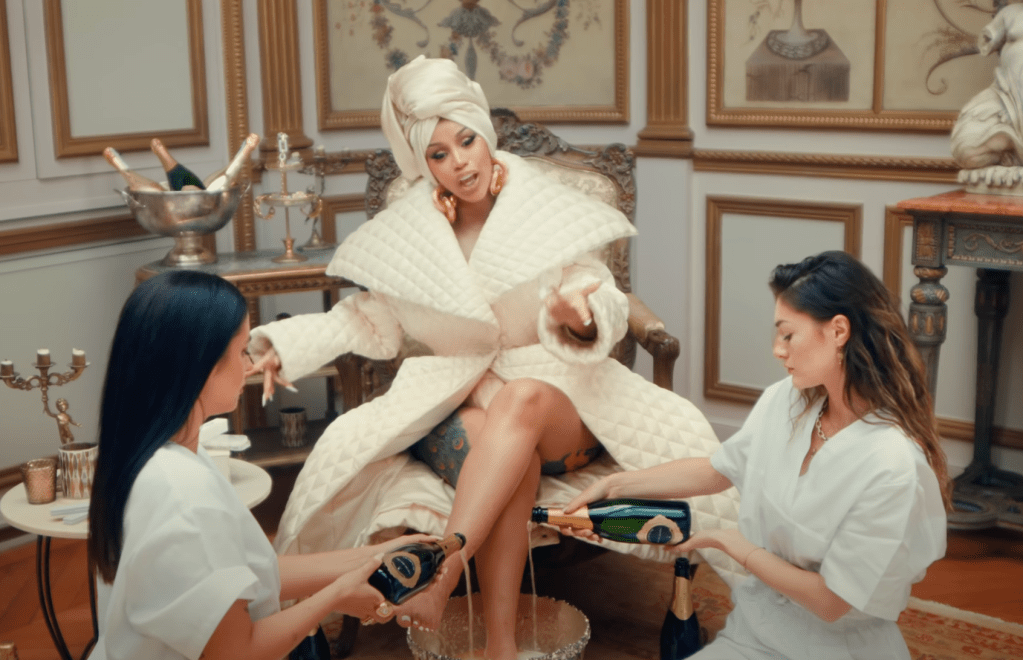
3. Cardi B’s Comeback – Am I The Drama?, New Baby, Courtroom Theater, and the Art of Narrative Control
Seven years is an eternity in pop time. For Cardi B, it became a weapon.
Her return with Am I The Drama? wasn’t just a comeback album; it was a full-spectrum re-entry—music, image, scandal, motherhood, and media spectacle fused into a narrative only Cardi could command. The project arrived after she welcomed a new baby, and it carried the tonal duality of her life: hardened ambition and soft tenderness, chaos and clarity, performance and truth.
The rollout became instantly iconic because it moved like a movie. A public court case—something that might derail most artists—became part of Cardi’s mythology. Court appearances doubled as cultural moments. The world watched her walk into a legal battlefield with the confidence of a headliner arriving backstage. Her testimony clips went viral, not because they were polished, but because they were pure Cardi: funny, fearless, and bristling with survival instinct. She turned the spotlight into armor.
The music delivered too. The album debuted at No. 1, broke female rap streaming benchmarks, and spawned hits that reaffirmed her as a primary pop force rather than a nostalgia act. A sold-out international tour followed, proving the comeback wasn’t symbolic—it was commercial, physical, undeniable.
Why it mattered: Cardi rewrote the playbook for women in rap longevity. Her return argued that life doesn’t disqualify an artist—it can deepen the work and sharpen the edge.
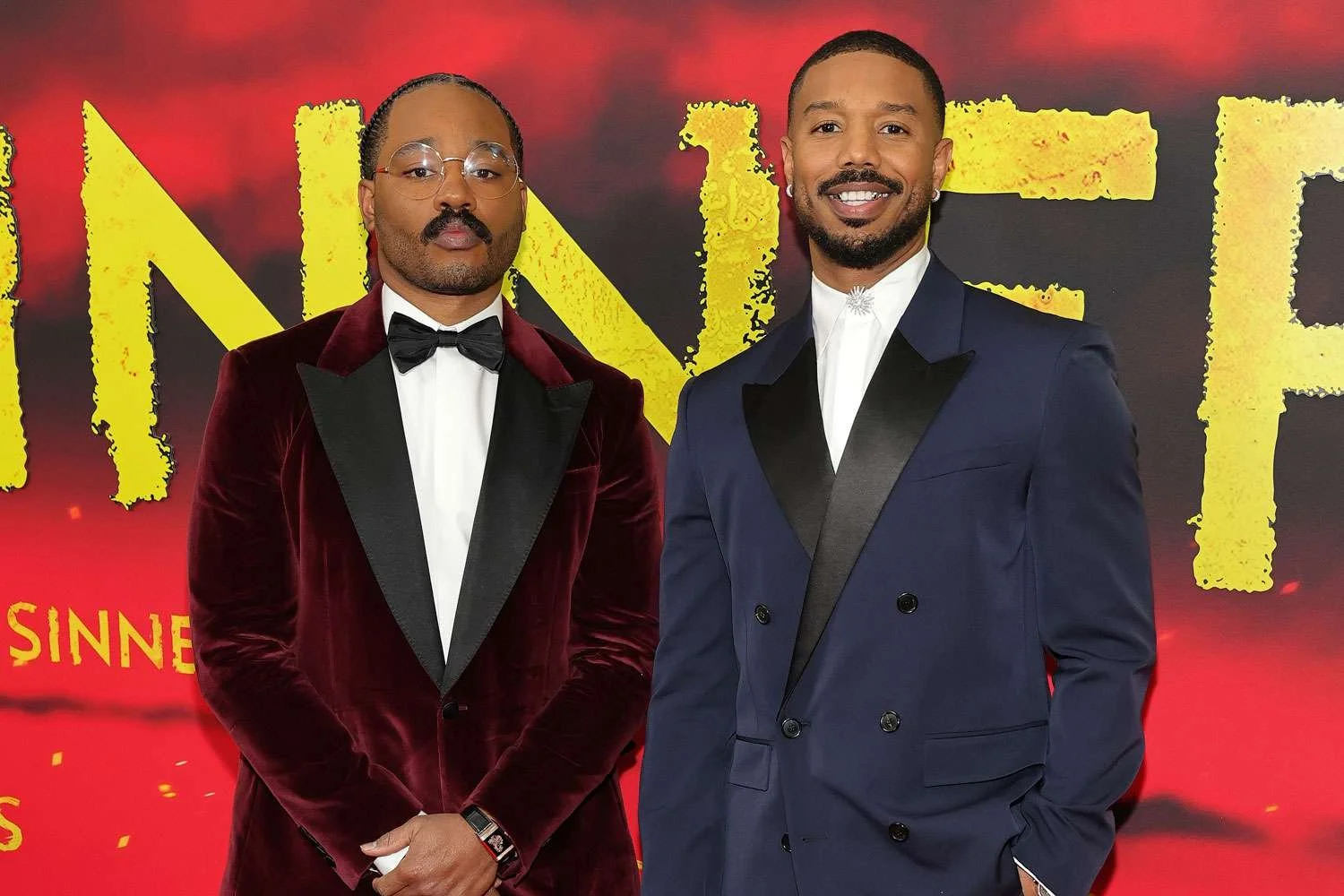
4. Sinners – The Film of the Year, Michael B. Jordan’s Double Performance, and Coogler’s Historic Studio Deal
In a year drenched in sequels, franchise insurance policies, and algorithm-safe storytelling, Sinners felt like an event from another era: an original film that became a cultural obsession.
The movie landed not just as a hit, but as a statement. Ryan Coogler’s deal with Warner Bros. became part of the story because it represented a rare and radical concept in modern Hollywood: trust. Coogler secured terms typically reserved for IP titans—creative control, meaningful backend participation, and a structure that treated the director not like hired labor, but like an owner. For an original film, those terms were historic. The deal signaled a subtle industry admission: if studios want originality to matter again, they have to reward the people who can deliver it.
Then there was Michael B. Jordan’s performance in dual roles—two characters that were not just technically impressive but emotionally distinct. His double turn wasn’t a gimmick. It became a thematic engine: identity splintered, morality mirrored, trauma doubled, desire refracted. Viewers weren’t just impressed—they were haunted. The performance fueled awards talk and made the film feel like something to argue about, interpret, rewatch.
Sinners also proved something the industry has pretended to forget: audiences will show up for original cinema when it’s treated with ambition, not caution. The film didn’t win because it was safe; it won because it was bold.
Why it mattered: Sinners reset the value of originality—and proved that when power shifts toward creators, audiences benefit too.
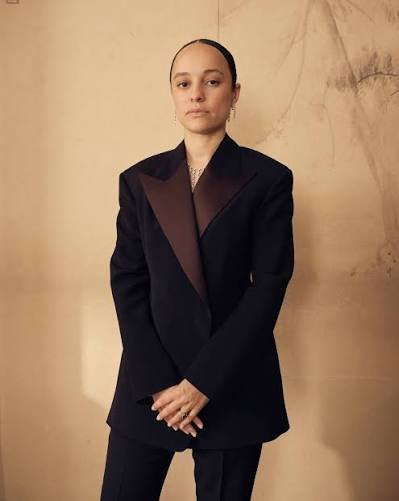
5. Grace Wales Bonner at Hermès – When Luxury Opens Its Archive to New Authorship
Grace Wales Bonner’s appointment at Hermès mattered not because fashion needed a headline, but because luxury rarely changes its bloodline.
Hermès is a house built on heritage—craft, restraint, quiet power. Bringing in Wales Bonner wasn’t simply “diversity” as optics. It signaled a deeper shift: luxury acknowledging that heritage is not only European, and that cultural intelligence can coexist with craftsmanship.
Wales Bonner’s work has long operated like cultural scholarship in fabric form: Afro-Atlantic identity, Black masculinity, diaspora memory, the elegance of worlds that were never meant to be canon. Her design language isn’t loud—it’s precise. That matters at Hermès, where subtlety is the brand’s core aesthetic. What she represents is not disruption for shock value, but evolution through meaning: how casting, narrative references, textile choices, and styling can quietly expand what “classic” looks like.
The industry reaction was unusually unified. Her appointment was treated like a shift in the gravitational center of luxury: the archive opening up, not abandoning heritage, but learning to breathe differently.
Why it mattered: Wales Bonner’s presence suggests the luxury canon can expand without collapsing—and that cultural memory is now a creative asset, not a threat.
6. Netflix and Warner Bros. Discovery – The Merger That Redrew the Map of Entertainment
The Netflix–Warner merger was less a business story than a cultural infrastructure story: who controls the pipes that deliver culture to the world.
By combining global streaming dominance with one of the deepest legacy catalogs ever assembled, the merger created a mega-entity with unprecedented leverage over what gets made, what gets promoted, and what gets remembered. This is not just about “more content in one place.” It’s about the rules of storytelling being negotiated by fewer hands.
For creators, the merger represented both possibility and danger. Possibility: budgets, reach, global distribution, instant cultural scale. Danger: consolidation tends to narrow risk-taking, standardize taste, and compress creative bargaining power. The platform that decides what shows up on the front page decides what becomes “culture.”
For audiences, it raised questions about variety, pricing power, and the slow return of the cable-bundle model—only sleeker, more opaque, and more centralized.
Why it mattered: The merger signaled the end of streaming’s first era and the beginning of a new one—where cultural access is governed by superstructures, not competition.
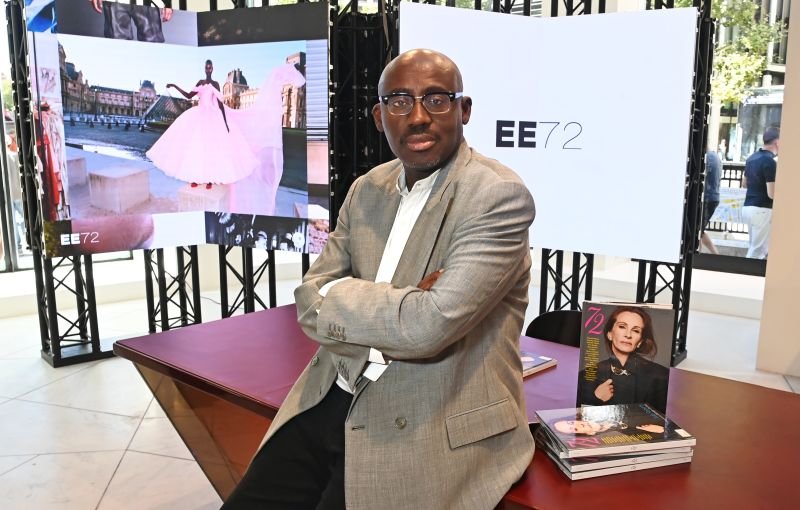
7. Edward Enninful’s 72 Magazine – A New Cultural Platform Built Like an Archive
Edward Enninful didn’t launch 72 as a nostalgia project. He launched it as an argument: that in an age of disposable content, curation is power.
72 Magazine arrived with the confidence of a collector’s object—tactile, editorially ambitious, and globally oriented. Instead of chasing the fastest trend cycle, it leaned into longevity: photography as art, essays as record, celebrity as lens rather than distraction. Enninful’s genius has always been his ability to use fashion as a gateway to wider cultural conversation—race, identity, politics, beauty, history. 72 formalized that approach into an institution of its own.
The magazine’s positioning mattered: not merely “fashion media,” but interdisciplinary cultural documentation. It suggested that the future of prestige publishing isn’t about volume; it’s about authority—who you platform, how you frame the world, and what you decide is worth preserving.
Why it mattered: 72 treated culture like history in the making—and reminded the media world that credibility can still be built through craft.
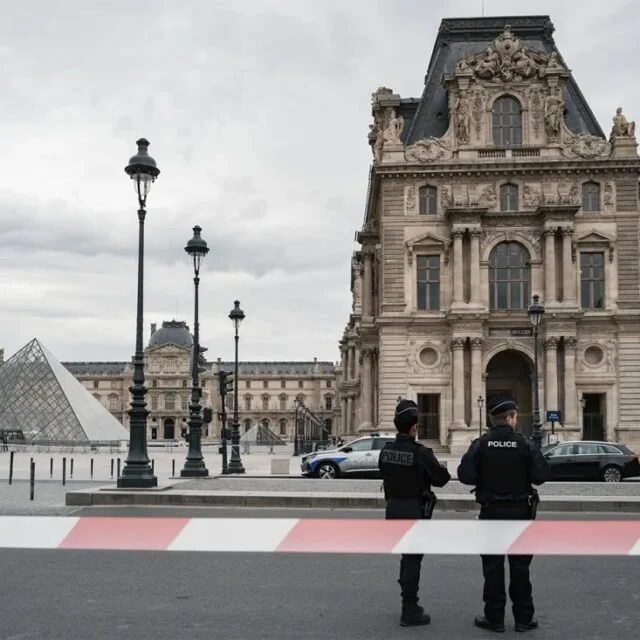
8. The Louvre Heist – A Crime That Triggered a Global Reckoning About Ownership
The Louvre heist was sensational on the surface: the world’s most famous museum, breached; priceless jewels, gone; Paris, rattled. But its cultural impact came from what the crime exposed: museums are not neutral.
The theft ignited a renewed debate about provenance, colonial extraction, and the ethics of ownership. Once the world started talking about what was stolen, it started talking about where it came from and how it arrived in the museum at all. That question—who had the power to acquire, to buy, to display—spilled beyond the heist and into the broader global reckoning around restitution and transparency.
Museums have long relied on the aura of authority: the idea that they are guardians of universal heritage. The heist punctured that aura, reminding the public that cultural institutions are systems—historical, political, fallible.
Why it mattered: The heist didn’t just steal objects. It stole certainty—forcing a new conversation about cultural stewardship in a post-imperial world.
9. 60 Minutes, Paramount, and the Crisis of Credibility in an Age of Consolidation
When journalism becomes collateral in corporate strategy, the damage isn’t contained to a newsroom—it spreads to democracy itself.
The 60 Minutes controversy erupted as questions about editorial independence collided with Paramount’s merger ambitions. Accusations of compromised standards and corporate pressure raised a chilling possibility: that journalistic credibility could be negotiated in the same room as merger approvals.
The situation reverberated far beyond the U.S. because 60 Minutes is not just any program. It is a global symbol of investigative legitimacy. When a brand like that appears vulnerable to political or corporate influence, it becomes a warning flare for every democracy: trust is fragile, and consolidation concentrates not only money, but narrative control.
The controversy also made a larger cultural point. In 2025, audiences were increasingly trained to distrust institutions. When an institution confirms that suspicion—even indirectly—the cultural cost is enormous.
Why it mattered: The story wasn’t just a scandal. It was a referendum on whether truth can remain independent in a media world shaped by mergers and power.
10. Global Fashion Weeks as Political Stages – Actively Black, Runway Messaging, and the New Language of Protest
If 2025 proved anything about fashion, it’s that the runway is no longer a neutral space. It’s a stage—and increasingly, a battleground.
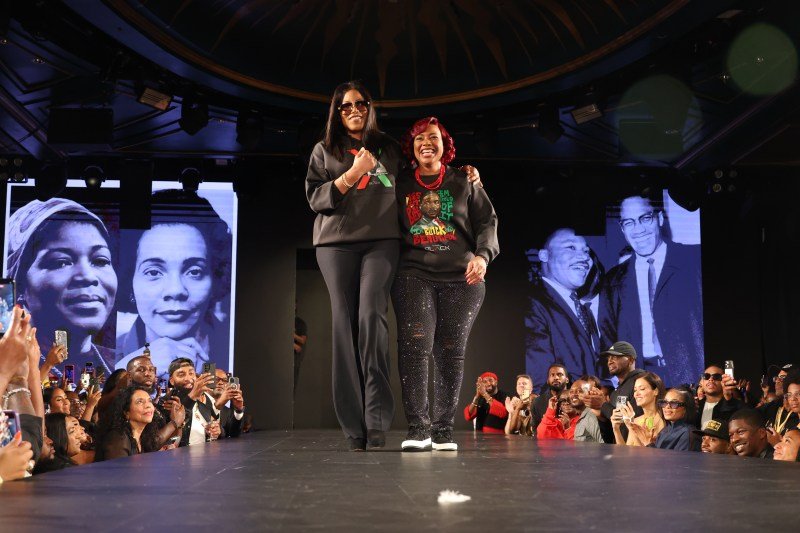
The clearest emblem was Actively Black’s runway moment, which fused fashion with history in a way that transcended trend. Featuring civil rights icons and descendants, the show treated clothing as an act of remembrance and defiance—making the runway a living archive. The visual power of such casting wasn’t symbolic window dressing; it was a declaration that legacy is not a mood board, it’s people.
Across the globe, designers used fashion weeks to engage directly with politics: immigration, LGBTQ+ rights, war, climate crisis, censorship, national identity. Messaging appeared not just in slogan tees, but in casting, set design, choreography, and soundtrack choices—proving that protest in fashion doesn’t have to be literal to be legible.
In Lagos and Johannesburg, shows leaned into cultural sovereignty—craft, local production, and postcolonial self-definition. In Seoul and Tokyo, designers reworked futurism through local histories rather than Western templates. In Paris and London, the fashion establishment itself became a canvas for dissent and reframing.
Why it mattered: Fashion in 2025 wasn’t trying to look “relevant.” It was insisting on relevance—turning style into a global language of resistance, memory, and authorship.
The Final Word
2025 wasn’t a trend cycle. It was a turning point.
Beyoncé proved reclamation can be blockbuster. Kendrick showed substance can dominate the world’s biggest stages. Cardi demonstrated that chaos can be converted into control. Coogler and Jordan reminded Hollywood what originality feels like when it’s funded like it matters. Wales Bonner and Enninful quietly expanded the cultural archive from the inside. The Louvre heist and the 60 Minutes controversy exposed how fragile institutional authority can be. And fashion weeks—globally—made it clear that the runway has become one of the sharpest tools for cultural storytelling.
This was the year culture stopped asking.
And started deciding.