Inside TSA Gold+: The New Airport Security Shift That Could Change How America Travels
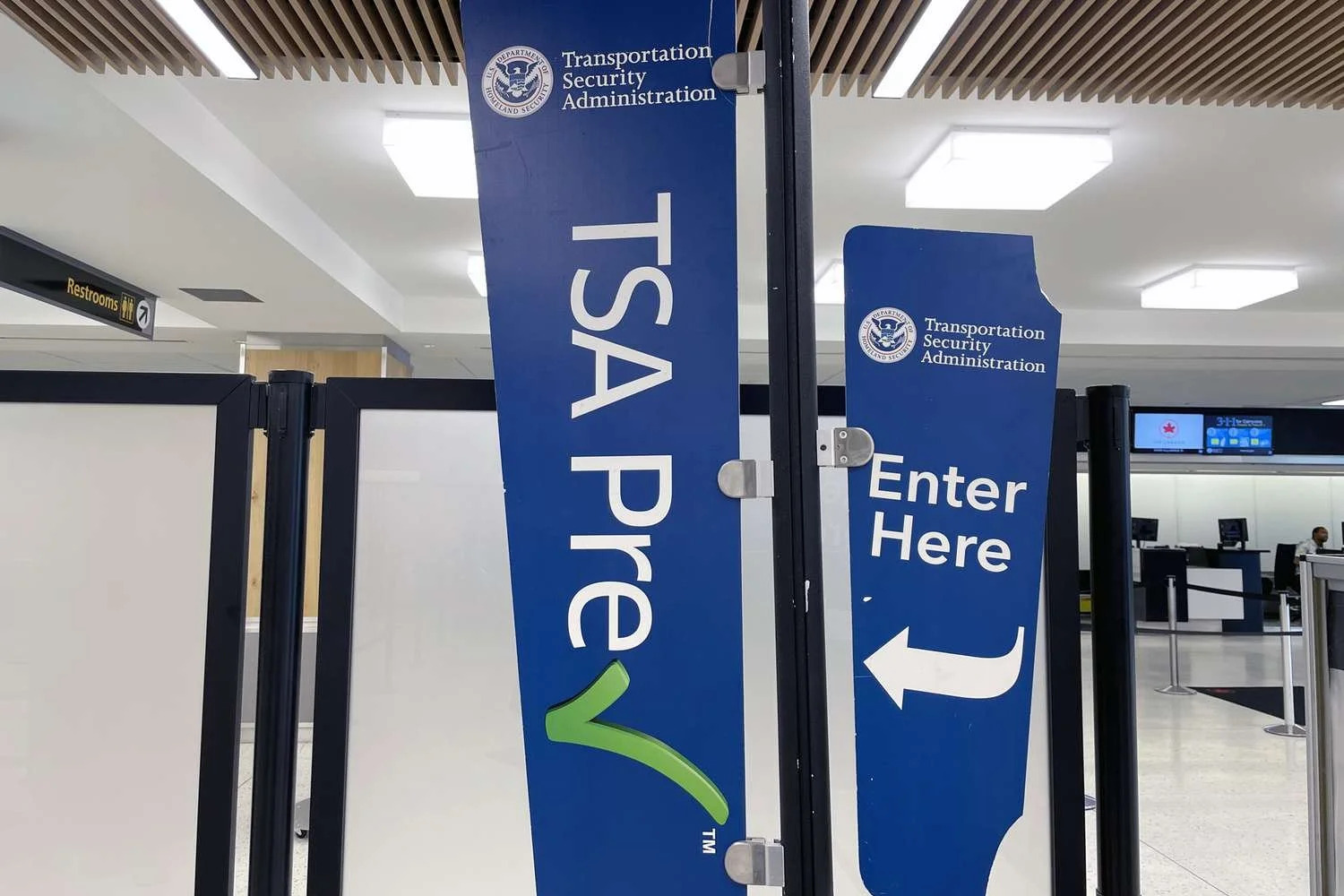
Airport security may be entering its biggest transition since the creation of the Transportation Security Administration itself.
The TSA has officially introduced TSA Gold+, a new public-private aviation security initiative designed to modernize airport screening across the United States. But despite the name, this is not another traveler membership program, premium lane, or replacement for TSA PreCheck. Instead, TSA Gold+ is an operational overhaul aimed at changing how airport security functions behind the scenes.
Built as an expansion of the existing Screening Partnership Program (SPP), TSA Gold+ allows participating airports to work with approved private-sector partners to manage not only screening staff but also screening technology, equipment upgrades, and maintenance—while TSA continues to oversee standards and security requirements.
For travelers, the change may feel subtle at first.
But behind the checkpoint, it represents one of the most significant structural shifts in airport operations in decades.
The announcement arrives at a moment when air travel demand continues to climb while airports face mounting pressure to reduce delays, modernize aging infrastructure, and maintain operations during periods of federal instability. TSA leadership has framed Gold+ as an opportunity to rethink aviation security for a new era—one centered on flexibility, technology, and resilience.
One of the major catalysts behind the move was recent disruption tied to federal funding challenges and staffing shortages, which created long security lines and operational strain at airports nationwide. Supporters argue that allowing private operators to manage staffing and technology could help airports move faster, adopt innovation more efficiently, and maintain continuity during future disruptions.
Importantly, TSA Gold+ is not something passengers enroll in.
There is no application, membership fee, interview, or approval process for travelers.
Instead, airports themselves choose whether to participate. Airports interested in joining must apply through their TSA Federal Security Director and, if approved, can transition screening operations into the Gold+ model.
The program officially launched in May 2026, though no major airport conversions under Gold+ have been finalized publicly at the time of announcement. Existing private-screening airports operating under the older Screening Partnership Program are expected to serve as the early blueprint for expansion.
What travelers should expect in the near term is less dramatic than the name suggests.
You will still go through security. TSA rules remain in effect. Screening standards remain federally controlled. The biggest visible difference may eventually be who is operating checkpoints and what technology appears in the lanes.
The larger question is what TSA Gold+ signals.
For years, airports have been measured by terminals, lounges, and airline partnerships. Now, security itself may become the next frontier of competition.
Because in the race to modernize travel, the fastest line may soon start long before boarding begins.