Luxury in Freefall: Saks Global Braces for Chapter 11 as Debt, Declining Sales, and Strategic Missteps Push Iconic Retailer to the Brink
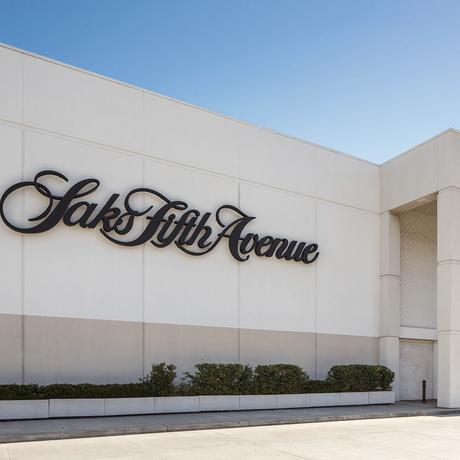
Inside the Crisis
Saks Global Enterprises, the luxury retail conglomerate behind Saks Fifth Avenue, Neiman Marcus, and Bergdorf Goodman, is preparing to file for Chapter 11 bankruptcy protection as soon as this weekend, according to multiple industry reports. The storied retailer is navigating the stark reality of massive debt, falling traffic in high-end shopping markets, and the fallout from a leveraged merger that has failed to deliver the expected turnaround.
What’s Happening Now
Impending Chapter 11 filing: Saks is reportedly on track to seek bankruptcy protection under Chapter 11 of the U.S. Bankruptcy Code as soon as Sunday, with the company planning to formalize restructuring steps in the weeks that follow.
Emergency financing in play: The company is close to securing roughly $1.25 billion in debtor-in-possession (DIP) financing from bondholder groups to maintain operations and payroll while restructuring.
Consumer reaction: Shoppers and holders of luxury credit perks are rushing to redeem Saks gift cards and American Express store credits, fearing uncertainty about how these will be treated during bankruptcy proceedings.
Store closures and layoffs: As part of cost-cutting and restructuring efforts, Saks has already announced downsizing of its store footprint, including closures across Saks Global’s global network.
Why This Matters: The Root Causes
Saks’ descent toward bankruptcy is not the result of a sudden shock, but the culmination of strategic decisions, broader market trends, and mounting financial stress:
1. A Debt-Heavy Merger That Backfired
In December 2024, Saks Global completed a $2.7 billion acquisition of Neiman Marcus in an attempt to consolidate luxury retail and compete with rivals. However, the heavily leveraged deal left the company with over $2 billion in new debt at a time when consumer demand in luxury segments slowed.
This debt load strained cash flow, culminating in a missed $100 million interest payment at the end of 2025—one of the final straws that accelerated bankruptcy deliberations.
2. Retail Market Shifts
Luxury consumers increasingly favor direct-to-consumer (DTC) shopping or digital platforms, reducing foot traffic to traditional department stores. Many top brands have shifted wholesale strategies, prioritizing their own boutiques and online stores over department store distribution.
This trend has eroded the historical role of department stores like Saks as curators of luxury, cutting into sales and vendor confidence.
3. Operational Strain and Vendor Tensions
Beyond debt, Saks faced operational troubles, including delayed vendor payments that led some brands to halt shipments—worsening inventory shortages and sales performance.
The company also underwent leadership upheaval with the departure of CEO Marc Metrick, leaving a management transition amid a financial crisis.
Potential Outcomes and Risks Chapter 11 vs. Liquidation
A Chapter 11 filing reorganization is designed to allow Saks to keep its doors open while reorganizing its debts and operations. Unlike liquidation, it does not immediately signal the end of the business. However, the success of any restructuring depends on securing financing and negotiating with creditors.
Brand and Industry Impacts
Luxury brands and partners: Suppliers and designer partners could face delayed payments or renegotiations, potentially reshaping wholesale relationships.
Department store sector: A bankruptcy by Saks, one of the last iconic national department stores, underscores the ongoing challenges facing brick-and-mortar luxury retail.
Real estate value versus retail viability: While Saks holds valuable flagship real estate (notably Fifth Avenue), financial distress could force store sales or leases that reshape flagship shopping districts.
Looking Ahead: What to Watch
Debtor-in-possession financing: Who wins control and how the DIP loan shapes management and strategy.
Creditor negotiations: How bondholders, vendors, and landlords are positioned in restructuring talks.
Consumer confidence: How loyalty programs, store credits, and gift cards are treated in bankruptcy.
Industry reverberations: Whether other department stores adjust strategies in response to Saks’ restructuring.
Conclusion: A Turning Point for Luxury Retail
Saks Global’s looming Chapter 11 bankruptcy filing marks a pivotal moment—not just for one of America’s most iconic retailers, but for the traditional department store model. Mounting debt, strategic missteps, and evolving consumer preferences have stripped away decades of brand prestige, leaving the company to grapple with a reorganization that could reshape luxury retail for years to come.
If you need a timeline of key events or implications for Saks customers and investors, just ask!