Powell Under Fire: Fed Chair Faces Criminal Investigation Threat as Central Bank Independence Hits Historic Crossroads
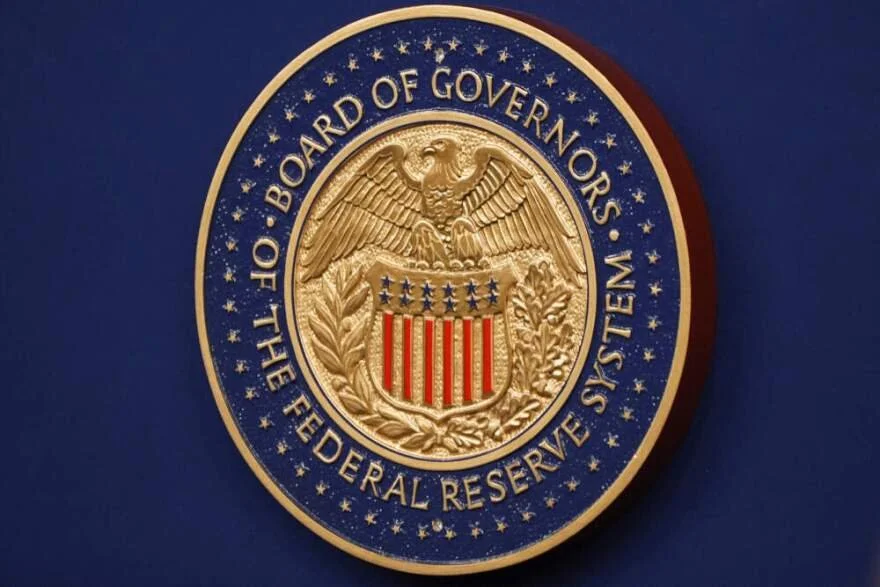
In an extraordinary escalation of tensions between the U.S. central bank and the executive branch, Federal Reserve Chair Jerome Powell announced that the Department of Justice has served the Federal Reserve with grand jury subpoenas and threatened criminal indictment, marking an unprecedented legal confrontation for the institution. Powell framed the action as politically motivated, tied not to any clear evidence of wrongdoing but to broader efforts to pressure the Fed on monetary policy — particularly interest-rate decisions.
According to Powell, the subpoenas relate to his June 2025 testimony before the Senate Banking Committee about the costly renovation of the Federal Reserve’s Washington headquarters. While critics have seized on that project’s cost overruns, Powell says the investigation’s timing and focus are pretexts for political interference, asserting that the threat of criminal charges stems from the Fed’s refusal to lower interest rates to suit presidential preferences.
What the Announcement Means Now
1. A Historic Challenge to Fed Independence
The Department of Justice’s criminal inquiry into a sitting Federal Reserve chair is without modern precedent. The Fed’s independence — long considered a bedrock of U.S. economic policy — protects monetary decisions from short-term political pressure. Powell’s statement underscores that the central bank should set rates based on economic data, not political demands.
Around the country and Capitol Hill, the reaction has been swift. Former Fed chairs and top policymakers from both parties have condemned the investigation as an “unprecedented assault” on the institution’s autonomy, warning that such politicization could damage market confidence and economic stability.
2. Market Reactions and Economic Signals
Financial markets responded nervously: the U.S. dollar weakened, U.S. stock futures slid, and investors sought traditional safe havens like gold. These moves reflect concerns that political uncertainty around the Fed could spill over into broader economic volatility.
3. Broader Legal and Political Conflict
This episode is not isolated. The Trump administration has previously sought to remove other Fed officials — including Governor Lisa Cook — leading to ongoing legal battles over executive authority versus statutory protections for Fed governors. Courts have so far blocked efforts to oust Cook pending further review.
What This Means for the Future
1. Central Bank Autonomy Versus Political Power
At stake is far more than one legal dispute. If a sitting Fed chair can be investigated or indicted during routine policy disagreements, it sets a fraught precedent that could chill independent decision-making. Future chairs might feel pressure to align policy with political leadership in order to avoid legal exposure — a profound shift in the architecture of U.S. economic governance.
2. Interest Rate Policy Under Scrutiny
The root of this confrontation involves interest rates — a core tool for controlling inflation and employment. Attempts to influence monetary policy for political or electoral advantage could lead to suboptimal economic outcomes, such as unchecked inflation or unnecessary stimulus at the wrong time. The tension highlights the delicate balance the Fed must maintain between independence and accountability.
3. Legal Developments Are Just Beginning
No charges have been filed yet, and the investigation’s scope remains evolving. Powell has reiterated his intention to continue serving with integrity, even as his term as chair nears its May 2026 expiration. Whether he remains in his broader role on the Federal Reserve Board could affect both the nomination process for his successor and the future direction of Fed policy.
Key Takeaways to Remember
Fed independence is not guaranteed by tradition alone — it depends on legal and institutional norms that are now being tested.
Legal actions tied to policy disagreements can have widespread economic ramifications, affecting markets and investor confidence.
The current conflict highlights the importance of transparent, data-driven monetary policy, free from undue political influence.
Future leadership transitions at the Fed will be watched closely, as decisions made now could shape the central bank’s role for years.
As this story continues to unfold, its implications for the Federal Reserve, U.S. economic policy, and the balance of power in Washington will be central to both policymakers and markets alike.