Shrinking’s “Happiness Mission” Asks Who Really Deserves to Move On
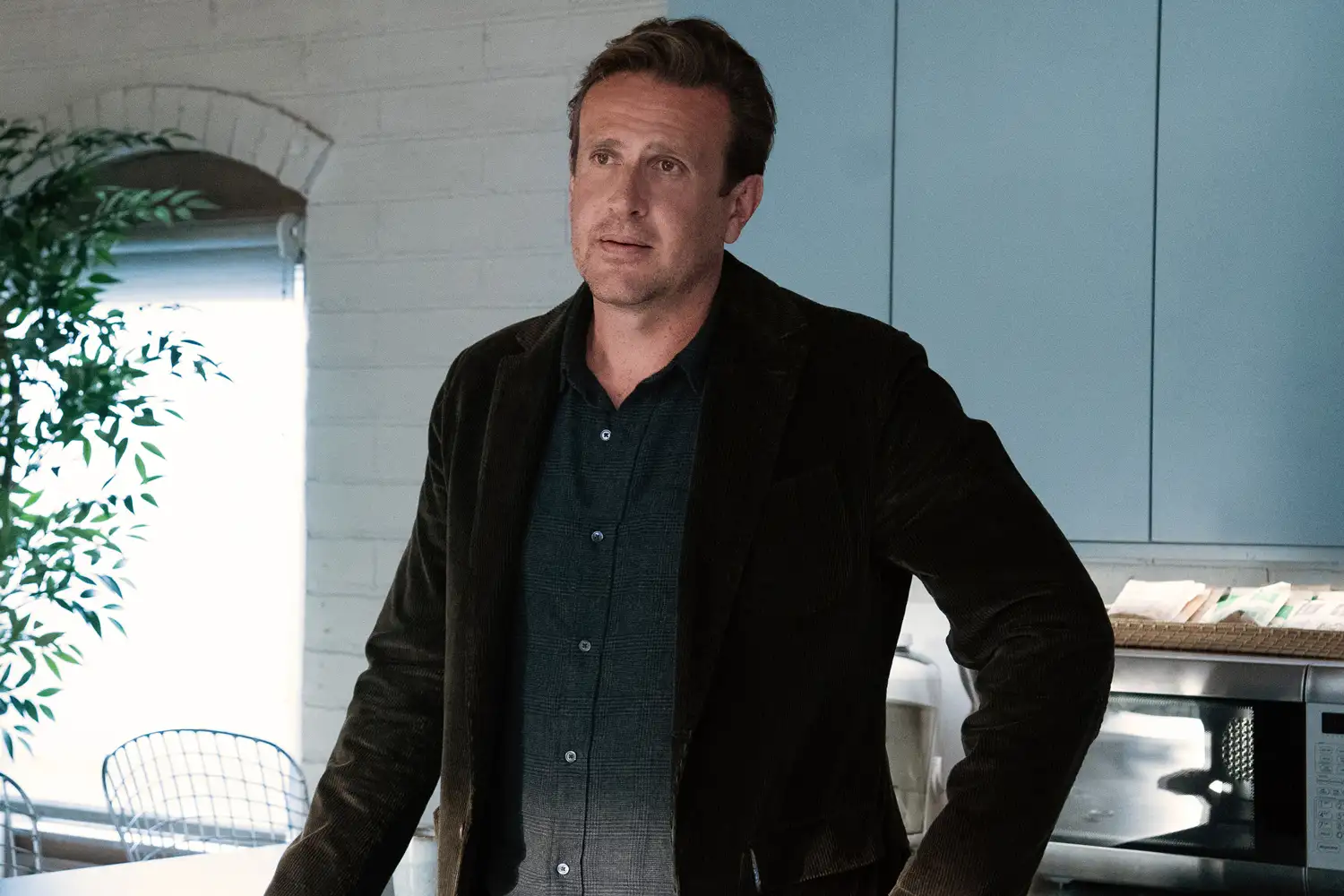
Episode 302 opens with a quiet but destabilizing moment. While visiting Jimmy and Sean, Dr. Paul sees someone standing outside the window. It’s real. His wife confirms it. But the weight of the scene doesn’t come from whether the figure exists — it comes from the fact that everyone else now knows about Paul’s hallucinations. What was once private is suddenly shared, observed, and fragile.
That tension — between what we carry alone and what others begin to manage for us — becomes the emotional backbone of an episode that interrogates happiness not as a feeling, but as something people may or may not feel entitled to pursue.
With Paul stepping away from practicing, Jimmy, Sean, and Julie divide responsibilities while he tries to establish some version of routine. Liz quickly assumes control of his schedule, an act of care that immediately becomes suffocating. Paul’s frustration lands as more than stubbornness; his identity has always been rooted in usefulness. Without his work, he isn’t just bored — he’s untethered.
He later articulates one of the episode’s clearest ideas: the biggest mistake parents make is doing too much for their children, robbing them of resilience. The line echoes across multiple storylines, even when no one seems to notice.
Jimmy’s own confrontation with happiness arrives unexpectedly through Sophie. A conversation about Alice preparing for college turns into an impromptu coffee date — warm, familiar, and almost easy — until the moment stretches too long. The awkwardness isn’t about chemistry. It’s about fear. Wanting something again means reopening the door to loss.
That fear sharpens when Jimmy asks Lewis a devastating question: Do you believe you deserve to be happy?
Lewis, still navigating his place in Jimmy and Alice’s lives after killing Tia, becomes the episode’s emotional fault line. Gaby’s resentment toward him is immediate and justified. Watching Lewis slip back into their orbit forces her to confront how quickly shared trauma can collapse boundaries. Her anger isn’t cruelty — it’s grief protecting itself.
When Gaby and Lewis finally speak alone, she unloads. Not to punish him, but to make him sit with the discomfort his presence causes. The show wisely refuses to resolve this tension neatly. Some pain isn’t meant to be smoothed over — only acknowledged.
Elsewhere, avoidance masquerades as self-preservation. Sean silences calls from his ex Marisol, admitting he didn’t handle things well. Paul, desperate to feel useful, begs to offer him “one tool.” Sean refuses. Growth this season isn’t about better advice — it’s about choosing when not to intervene.
That lesson extends to Liz and Derrick, who struggle with their son Matt’s dependence. Liz admits that being the villain is easier with other people’s kids. Derrick’s initial attempt to step in fails spectacularly, until it doesn’t. His eventual reality check — complete with a deadline — lands not as punishment, but as overdue respect.
The episode’s final movements are about action without guarantees. Lewis visits Sarah, whose reaction grounds him and jolts him forward. Later, during a group hike, he thanks Alice and Jimmy before deciding to start fresh elsewhere. At a job interview, he explains his recent past simply: he’s hoping that if he puts himself out there, good things might happen. He’s realized he has to take the first step.
Sean does the same. He calls Marisol, admits he’s been avoiding her, and smiles as he asks how she’s doing. Nothing is fixed — but something has shifted.
Jimmy, meanwhile, pulls up to Sophie’s. He sees her working on her laptop and turns away. Then tries again. And again. Still, he doesn’t knock.
It’s funny. It’s frustrating. And it’s the most honest beat of the episode.
“Happiness Mission” doesn’t frame happiness as a reward for healing correctly. It frames it as a risk — something you reach for without certainty, permission, or proof that it will last. The episode isn’t asking whether happiness is possible. It’s asking who believes they’re allowed to want it.
Sometimes, Shrinking suggests, moving on isn’t about closure.
It’s about deciding whether you’ll knock — even if you’re not ready to open the door.