Sunrise on the Reaping” Rewrites The Hunger Games History With a Star-Driven Prequel (Trailer)
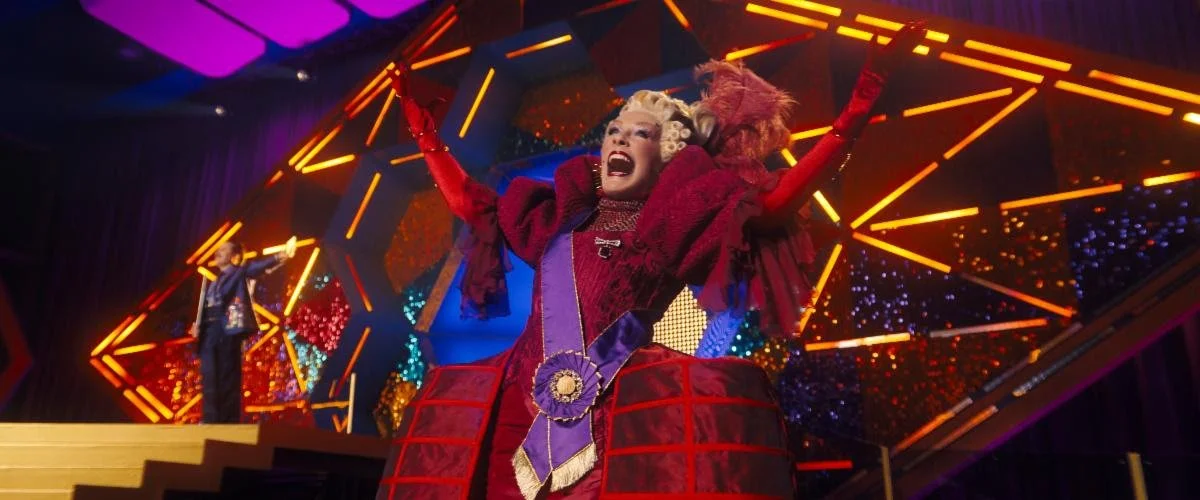
The world of Panem is set to expand once again with The Hunger Games: Sunrise on the Reaping, a new prequel that takes audiences back decades before Katniss Everdeen ever entered the arena. With a powerhouse creative team and an ensemble cast that blends rising talent with acclaimed veterans, the film is positioning itself as both a return to form and a bold deepening of one of modern cinema’s most enduring dystopian franchises.
Directed by Francis Lawrence, who helmed much of the original series, and written by Billy Ray based on the novel by Suzanne Collins, the film revisits Panem at a pivotal moment in its history — 24 years before the events of The Hunger Games. The story begins on the morning of the reaping for the 50th Hunger Games, also known as the Second Quarter Quell, one of the most infamous and brutal editions of the Games.
A Return to a Defining Moment in Panem
Long referenced throughout the original series but never fully explored on screen, the Second Quarter Quell carries a dark legacy within the Hunger Games mythology. The event, marked by heightened stakes and deeper political symbolism, serves as fertile ground for storytelling that can explore both the mechanics of the Games and the societal forces that sustain them.
By anchoring the narrative in this specific moment, Sunrise on the Reaping shifts the focus away from rebellion already in motion and instead examines the system at its peak — when the Capitol’s control feels absolute and resistance remains fragmented or unseen.
A Cast Built for Scale and Complexity
The film boasts an expansive ensemble cast, including Joseph Zada, Jesse Plemons, Ralph Fiennes, Glenn Close, Kieran Culkin, Elle Fanning, Mckenna Grace, Maya Hawke, Whitney Peak, and Kelvin Harrison Jr. The mix of established performers and emerging talent suggests a story that balances generational perspectives, reflecting both the entrenched power of the Capitol and the lived realities of those forced into the arena.
The inclusion of actors known for character-driven performances hints at a more nuanced approach to the material — one that leans into political intrigue, emotional complexity, and moral ambiguity rather than spectacle alone.
Revisiting the DNA of the Franchise
The original Hunger Games films were defined by their blend of blockbuster storytelling and pointed social commentary, exploring themes of power, media manipulation, and systemic inequality. With Sunrise on the Reaping, the franchise appears poised to return to those roots while expanding its scope.
Producer Nina Jacobson, alongside Brad Simpson and Lawrence himself, returns to guide the project, ensuring continuity with the tone and vision that made the earlier films both commercially successful and culturally resonant.
Why This Story Matters Now
Prequels often risk feeling like extensions rather than necessities, but Sunrise on the Reaping arrives with a distinct narrative purpose. By exploring a time before the cracks in the Capitol’s authority became visible, the film offers a chance to examine how those cracks began — and what it cost for them to form.
It’s a story about origins, not just of characters, but of systems. About how control is maintained, how spectacle is weaponized, and how individuals navigate a world designed to strip them of agency.
The Future of the Franchise
With this latest installment, The Hunger Games continues to prove its adaptability. What began as a young adult phenomenon has