Dolly Parton: The Woman Who Turned Her Dreams Into Doors for Generations
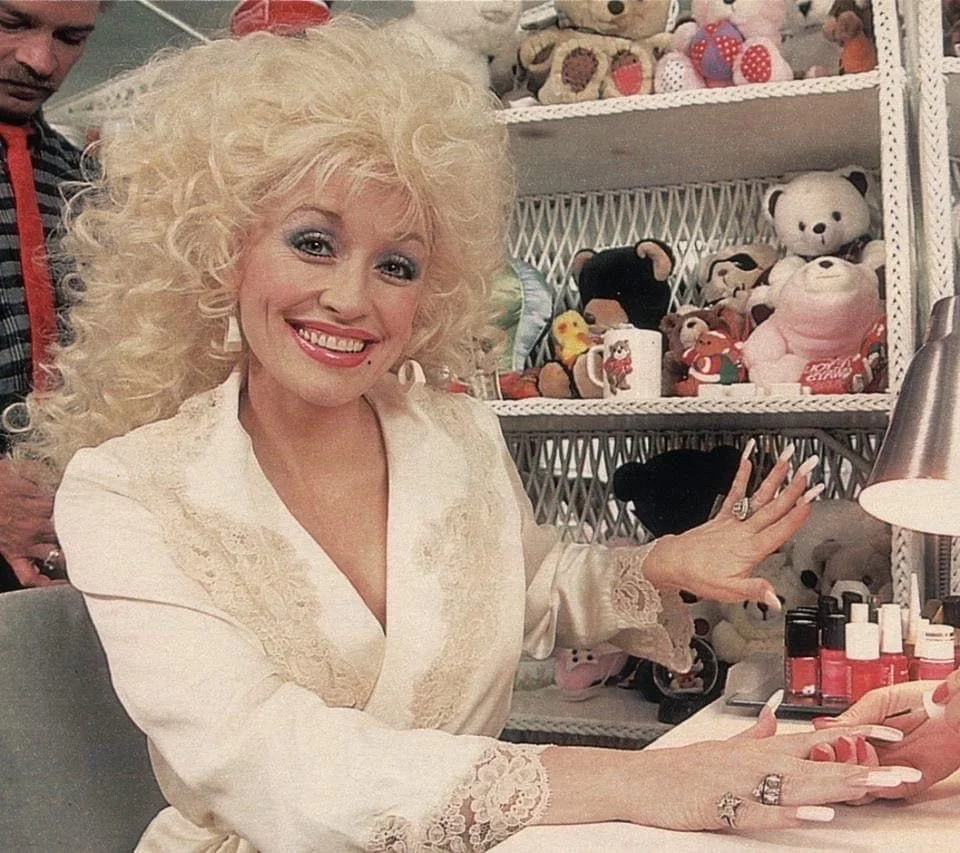
There are stars whose careers can be measured in records sold, awards won and decades spent beneath the lights. And then there are those rare figures whose lives become woven into the cultural fabric itself.
Dolly Parton was one of them.
The world is mourning the loss of the singer, songwriter, actress, entrepreneur and philanthropist, who died August 25 at the age of 80. But remembering Parton requires looking beyond the unmistakable voice, rhinestones, towering blonde hair and songs that became standards. Her legacy is also the story of a woman who understood the power of ownership, knew her value and quietly broke barriers while making the difficult look effortless.
Born in rural East Tennessee as one of 12 children, Parton came from circumstances that could have limited the scope of her ambitions. Instead, she turned those beginnings into part of a story she would tell unapologetically for the rest of her life.
She did not disguise where she came from to become acceptable to the world. She carried it with her.
That authenticity became one of her greatest strengths.
Parton entered a country music industry largely controlled by men and built a career on terms increasingly her own. She became an exceptional songwriter before much of the world fully appreciated how formidable a businesswoman stood behind the image.
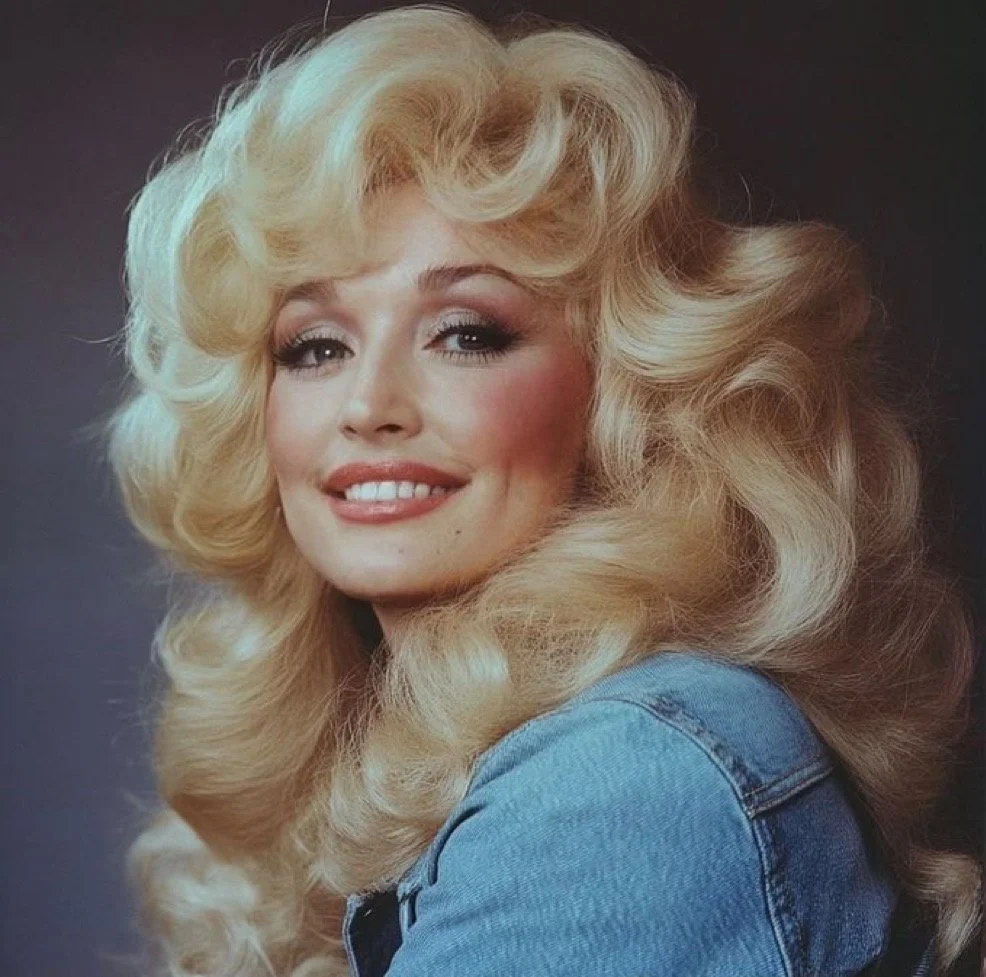
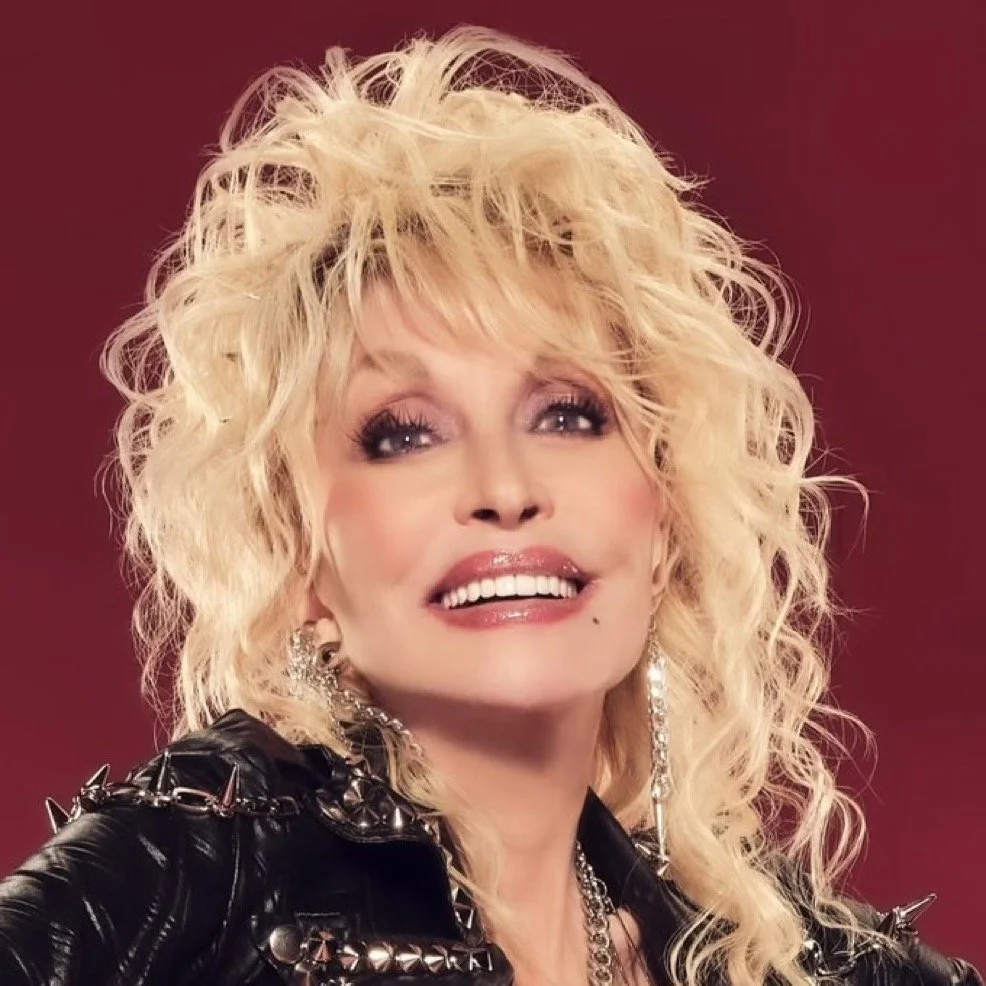
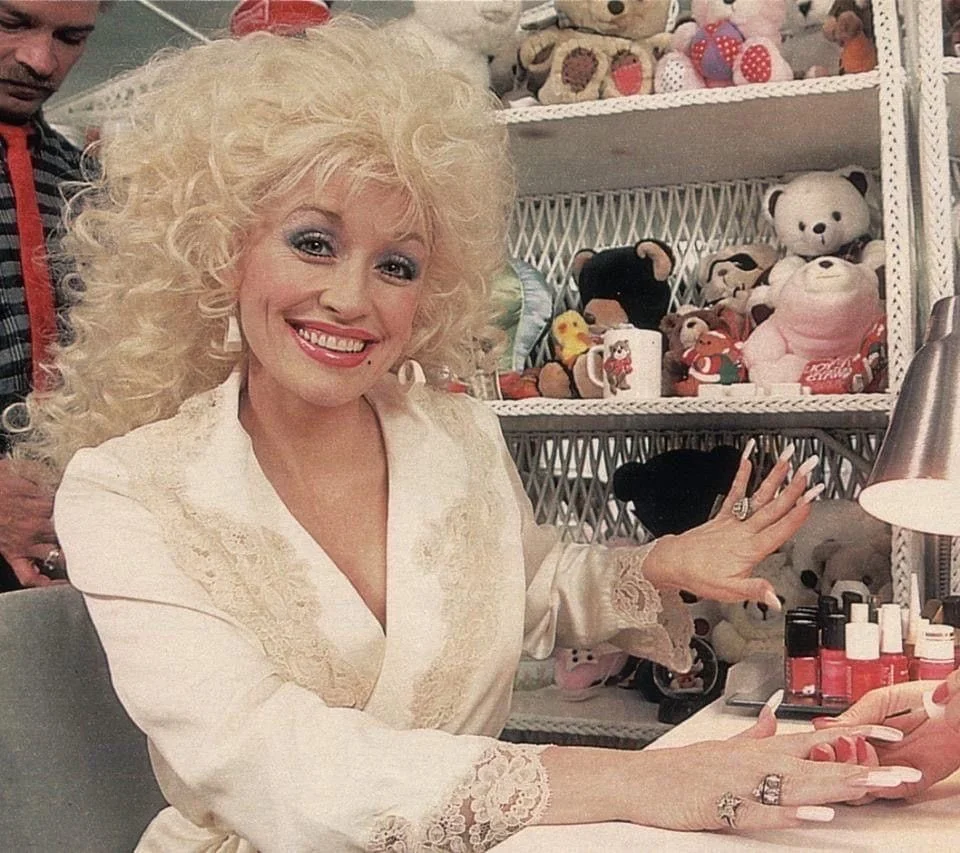
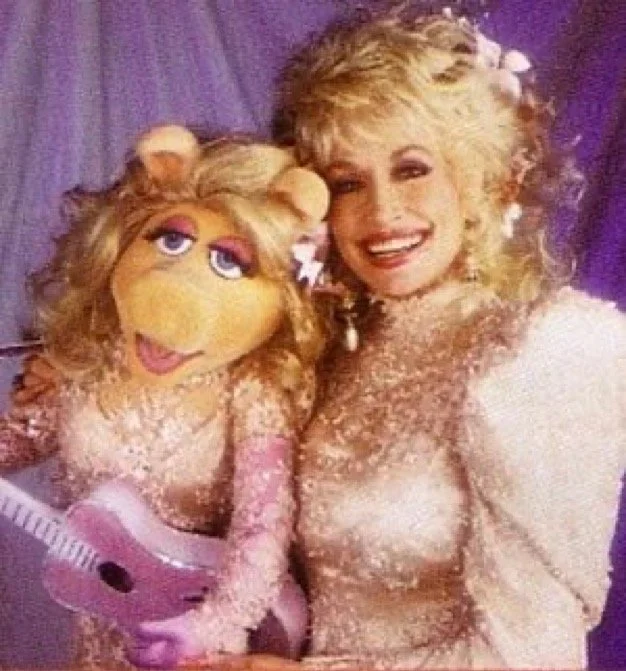
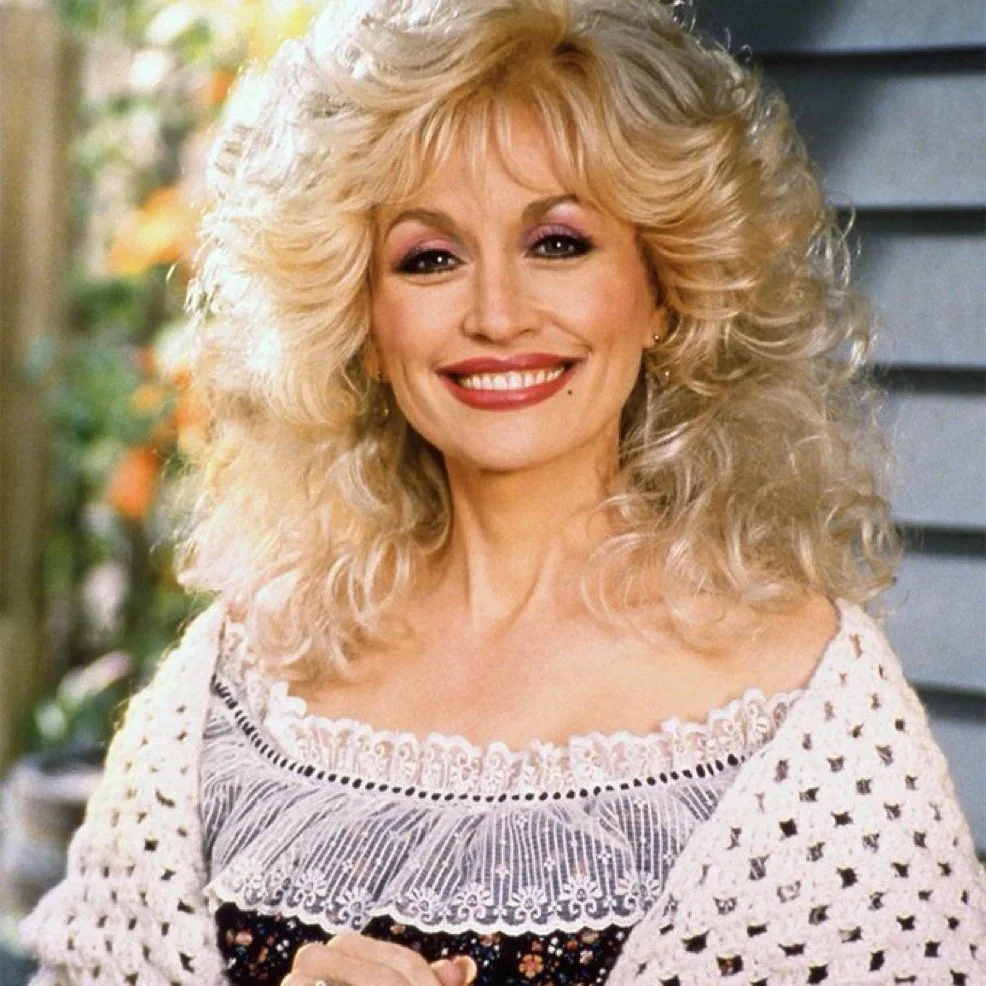
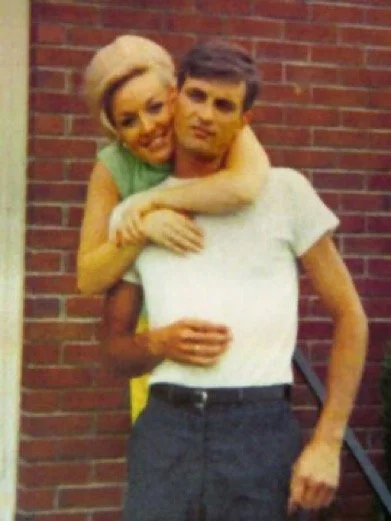
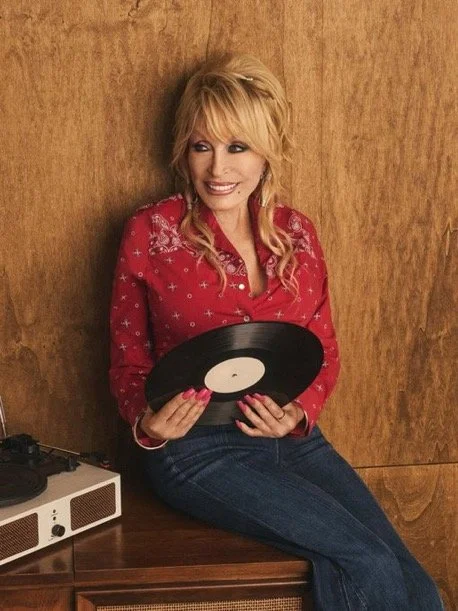
Her songs could be tender, devastating, humorous and remarkably observant. "Coat of Many Colors" transformed childhood poverty into a meditation on dignity and love. "Jolene" turned vulnerability into one of popular music's most enduring pleas. "9 to 5" captured the frustrations of working women with such precision that it became both an anthem and a cultural shorthand.
And then there was "I Will Always Love You."
Written by Parton as she prepared to leave her professional partnership with Porter Wagoner, the song represented something larger than a farewell. It was a woman choosing her future, even when that choice required walking away from security.
Years later, Parton's decision to retain control of her publishing would become one of the defining examples of her business instincts. When Whitney Houston's extraordinary interpretation of "I Will Always Love You" introduced the composition to another generation and sent it around the world, Parton remained its songwriter.
That mattered.
At a time when women in entertainment were routinely encouraged to surrender ownership, defer to powerful men or simply be grateful for access, Dolly Parton understood that creativity and commerce did not have to be opposing ideas.
She could write the song and own the song.
She could be the talent and understand the contract.
She could be glamorous without allowing anyone to mistake femininity for weakness.
She could laugh at herself while remaining absolutely serious about her worth.
That may be among the most important barriers she broke.
Parton refused the notion that a woman had to become harder, quieter, less feminine or less herself to command power. She created an image so distinctive that it became instantly recognizable around the world, then used the assumptions surrounding that image to her advantage.
Behind the sparkle was discipline.
Behind the humor was intelligence.
Behind the warmth was a woman who understood exactly what she had built.
Her ambitions eventually stretched far beyond the recording studio. Film introduced another dimension of her appeal through projects including 9 to 5, The Best Little Whorehouse in Texas and Steel Magnolias. Dollywood transformed her connection to Tennessee into an economic and cultural institution, creating jobs and opportunity in the region that raised her.
Yet some of the most consequential work bearing Dolly Parton's name had nothing to do with entertainment.
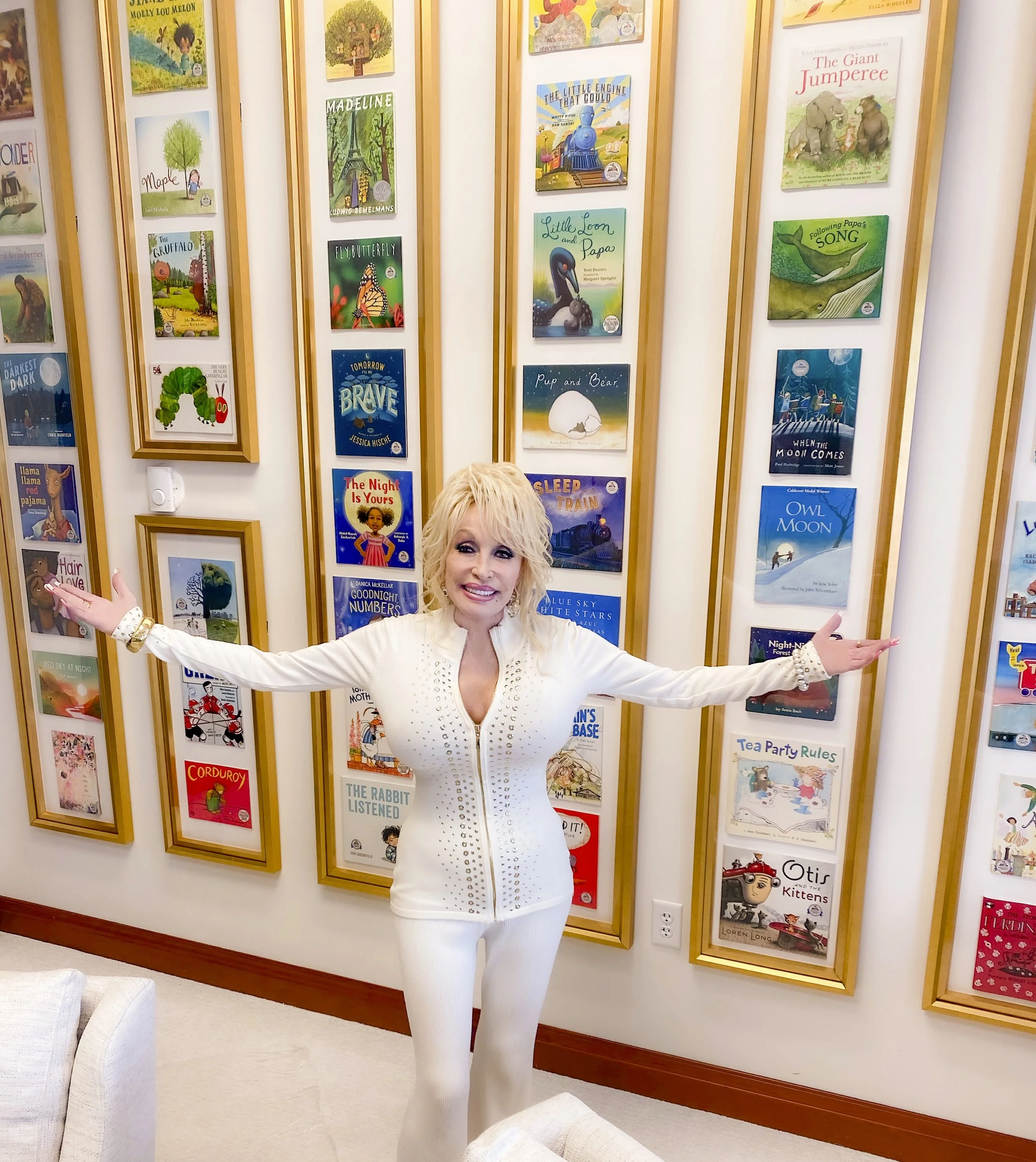
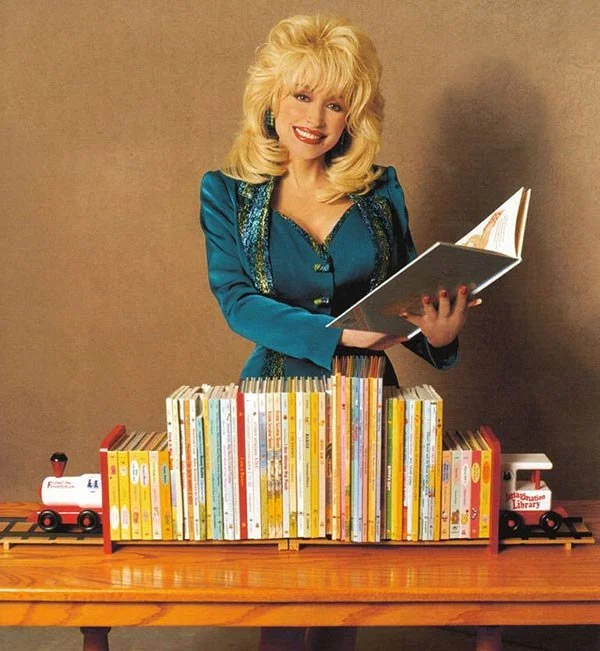
Her Imagination Library began in 1995, inspired in part by her father, who could not read or write. What began as an effort to provide books to children in her home county grew into an international literacy initiative that has distributed hundreds of millions of books to children.
It is difficult to imagine a more fitting extension of a songwriter's legacy.
A woman who spent her life telling stories made certain millions of children had the opportunity to discover stories of their own.
Her philanthropy extended into education, health care, disaster relief and communities in need. She gave generously, often without making the giving itself the center of the story. Her contribution toward COVID-19 vaccine research became another widely recognized example of a philosophy she had practiced for decades: success created an opportunity to help someone else.
Perhaps that is why Dolly transcended so many of the divisions that ordinarily surround celebrity.
Country audiences claimed her, but she never belonged exclusively to country music.
Hollywood embraced her, but Hollywood never seemed to change her.
Songwriters revered her. Musicians across genres covered her work. Women looked to her as an example of independence. Entrepreneurs studied the empire she created. Children who had never heard one of her albums received books because of her generosity.
And generations of artists who came after her inherited an industry that she had helped make wider.
Her influence can be heard in the women who insist upon songwriting credit, publishing ownership and creative control. It exists in artists who understand that a recognizable personal identity can become an enterprise without sacrificing authenticity. It exists in every performer who recognizes that kindness and authority can occupy the same room.
Dolly Parton spent her life proving that there was no contradiction between softness and strength.
She could be ambitious and generous. Shrewd and gracious. Spectacularly famous and still deeply connected to the mountains that raised her.
She could build an empire and leave the door open behind her.
There is an inevitable sadness in considering a world without Dolly Parton physically in it. For so long, she seemed almost permanent, one of those cultural figures who had always been there and somehow always would be.
But perhaps permanence is precisely what she achieved.
The songs remain.
The businesses remain.
The opportunities she created remain.
The books will continue arriving in children's hands.
And somewhere, a little girl with an enormous dream will encounter Dolly Parton's story and understand that where she begins does not have to determine how far she can go.
For a woman who spent a lifetime breaking barriers, that may be the most beautiful legacy of all.