Supreme Court’s 6–3 Tariffs Decision Redraws the Limits of Presidential Power
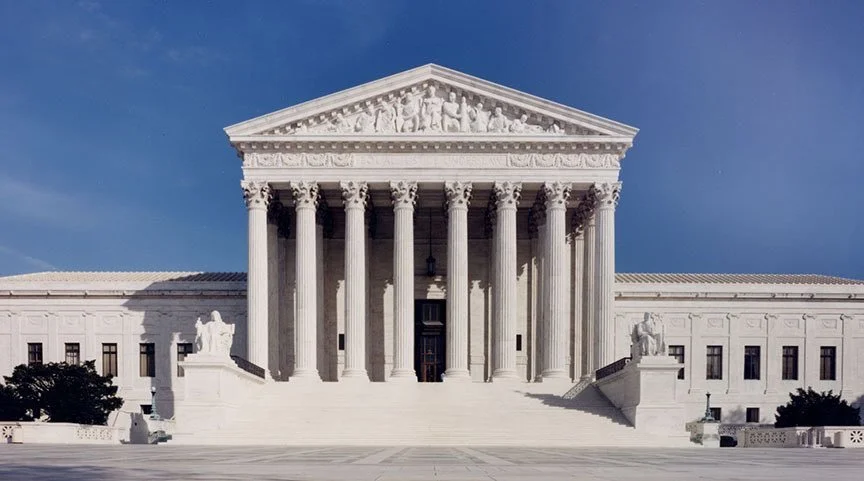
In a landmark 6–3 ruling that could reshape American trade policy for years, the U.S. Supreme Court struck down sweeping global tariffs imposed under emergency powers, delivering a major constitutional rebuke to executive authority and setting off immediate economic, legal, and political ripple effects.
The case, Learning Resources v. Trump, centered on whether a president can use the 1977 International Emergency Economic Powers Act (IEEPA) to impose broad import tariffs without Congress. The Court’s answer was no.
What the Court Actually Ruled
The majority opinion, written by Chief Justice John Roberts, concluded that the president lacked “clear congressional authorization” to enact the tariffs, emphasizing that the Constitution assigns the power to levy taxes—including tariffs—to Congress.
The justices struck down the tariffs imposed under the emergency statute, rejecting the administration’s argument that trade deficits constituted a national emergency justifying unilateral action.
The dissenting justices—Alito, Thomas, and Kavanaugh—argued the tariffs were lawful under existing precedent, underscoring how closely divided the Court remains on executive power questions.
Why This Case Matters Beyond Trade
At its core, this ruling isn’t just about tariffs. It’s about constitutional structure.
For decades, presidents of both parties have increasingly relied on emergency statutes to bypass Congress in economic and foreign policy matters. This decision draws a firm line: emergency powers are not a blank check for economic policy.
Legal scholars say the ruling reinforces the “major questions” doctrine—an emerging judicial principle that requires explicit congressional authorization for policies with vast economic consequences. Lower courts had already signaled skepticism, finding the tariffs exceeded statutory authority and improperly exercised legislative power.
The Immediate Economic Shockwave
The financial implications could be enormous.
More than $175 billion in tariffs already collected may have to be refunded to importers.
Such refunds could significantly affect Treasury cash flow, potentially forcing borrowing adjustments or liquidity shifts.
Economists note that this is not just an accounting issue—it could affect bond markets, interest rates, and federal fiscal planning if refunds occur quickly.
What Happens Next
The ruling does not eliminate all tariffs. It only invalidates those imposed under the specific emergency law at issue.
That distinction is crucial. The decision:
Limits presidential authority under emergency powers
Leaves intact other statutory pathways for tariffs
Signals future legal challenges to unilateral trade actions
The administration has already indicated it may explore alternative legal authorities to maintain certain trade barriers.
In other words: this is not the end of tariff battles—it’s the beginning of a new phase.
A Structural Shift in Executive Power
The ruling may ultimately be remembered less for its trade implications than for its constitutional impact.
For years, critics warned that emergency statutes were evolving into tools for routine policymaking. The Court’s decision sharply reins that in, making clear that economic policies with trillion-dollar consequences require legislative approval.
It is rare for the Supreme Court to intervene so directly in trade policy. When it does, it usually signals a deeper institutional correction.
The Bigger Picture
This decision lands at a moment when global trade is already fragile, supply chains remain politically sensitive, and economic nationalism has reshaped policy debates worldwide.
The message from the Court is unmistakable: sweeping economic action cannot rest on unilateral executive interpretation alone.
Whether this ruling stabilizes markets or triggers a new era of legal and political battles will depend on what happens next—how Congress responds, how future presidents test the limits, and whether the judiciary continues tightening its grip on executive power.
One thing is certain: the 6–3 tariffs decision is not just a case. It is a constitutional marker.