JAŸ-Z IN 8 Episodes 3 and 4: When the Music Becomes a Mirror
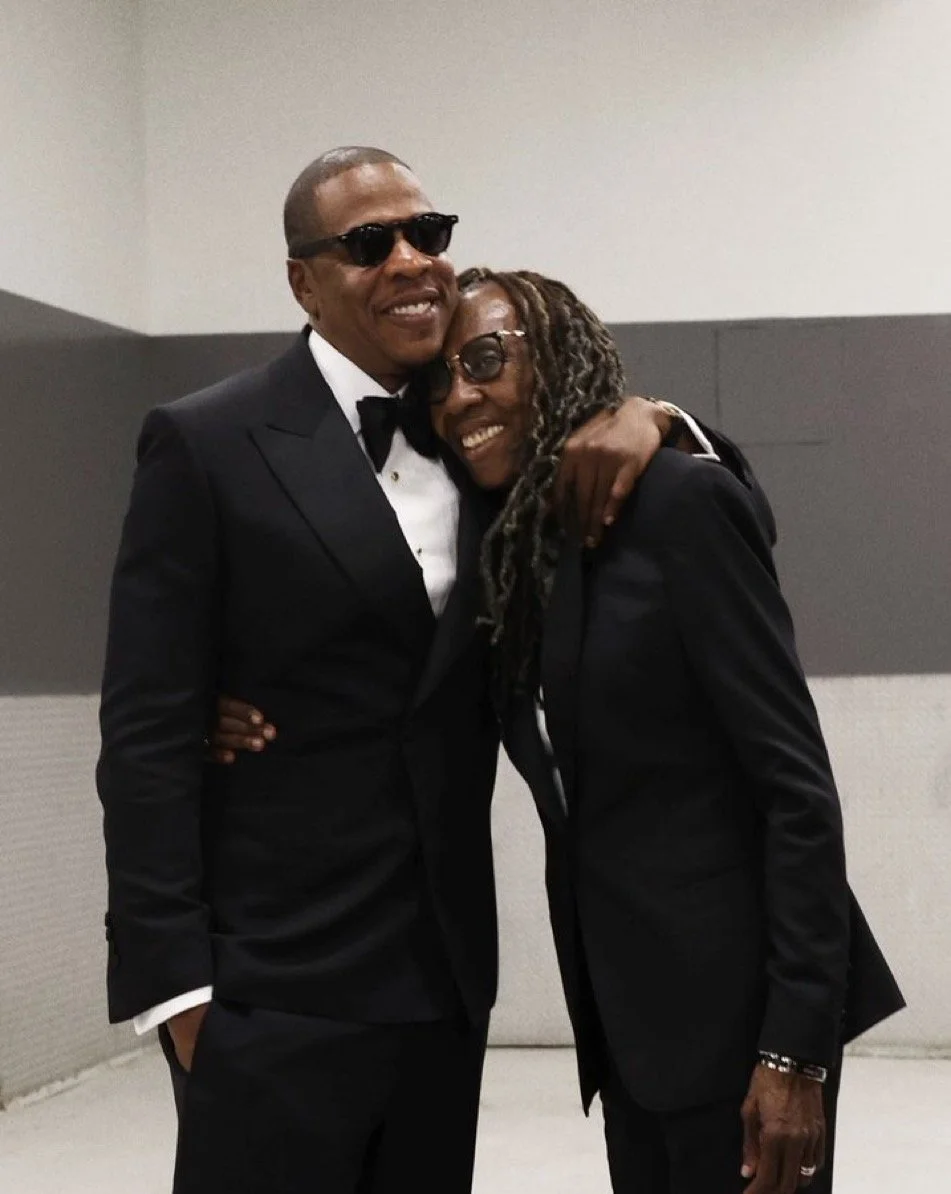
This week, JAŸ-Z and Rick Rubin move deeper into the catalog, revisiting songs including “You Must Love Me,” “This Can’t Be Life,” “4:44,” “Where Have You Been,” “Allure,” “Where I’m From” and “Can I Live.” Without giving away where the conversations ultimately lead, Episodes 3 and 4 reveal how often the music became a place for JAŸ-Z to say what Shawn Carter could not.
The first two episodes of JAŸ-Z IN 8 established the series as something closer to an oral memoir than a conventional music retrospective. JAŸ-Z and Rick Rubin used the catalog as a map, moving between records and the memories, relationships and circumstances surrounding them. Episodes 3 and 4, arriving this week, take that idea somewhere more vulnerable. The songs remain the entry point, but increasingly, they become mirrors.
There is a fascinating tension running through these episodes between the person JAŸ-Z was when he made the music and the man now sitting across from Rubin listening to it. At times, he seems almost startled by the emotional clarity of his younger self. At others, the distance between those two versions of himself is enormous. “I can’t even listen to a lot of my interviews,” he admits at one point. “I don’t even talk like that.”
When the Record Says What the Man Cannot
Episode 3 opens one of its most revealing conversations through “You Must Love Me,” the deeply personal closing track from In My Lifetime, Vol. 1. Listening decades later, JAŸ-Z is struck by what he was willing to reveal at only 27 years old, particularly because those same conversations would have been nearly impossible for him to have face-to-face at the time.
That distinction becomes essential. The studio was not simply where he made records. It was one of the few places where emotions he had learned to compartmentalize could escape. “This was my only outlet,” he tells Rubin, reflecting on the shame and guilt embedded in the song. What sounds today like extraordinary vulnerability existed alongside a young man who still lacked the language, tools or willingness to express those feelings anywhere else.
Rubin keeps returning to that contradiction, and JAŸ-Z IN 8 is at its best when neither man rushes to resolve it. JAŸ-Z can hear his younger self wrestling with consequences, regret and survival in real time. He can also recognize that putting private pain into a song was not necessarily the same thing as having a healthy conversation with the people whose lives were intertwined with his own.
The contrast becomes even clearer when the discussion eventually reaches 4:44. By then, JAŸ-Z describes a different process, one in which difficult truths could be accompanied by actual conversations. He recalls discussing “Smile” with his mother, Gloria Carter, before its release and allowing her agency over her own story. That evolution, from confession as release to communication as part of healing, quietly says as much about the distance traveled as any career milestone could.
“This Can’t Be Life”
The episode moves through several corners of the catalog, including the lyrical exercise of “Breathe Easy (Lyrical Exercise),” before arriving at one of its most affecting sequences with “This Can’t Be Life.”
The song brings JAŸ-Z and Rubin into a conversation about loss, empathy and the ability of hip-hop to capture life while it is still happening. Scarface’s verse becomes central to that discussion. JAŸ-Z remembers the circumstances surrounding its recording and the devastating news Scarface received as he arrived to work. Rather than abandoning the session, Scarface transformed the immediacy of what he was feeling into the record.
JAŸ-Z remains visibly impressed by the emotional honesty of it years later. The conversation expands into what he admires about artists capable of making enormous emotions accessible without burying them beneath technical complexity. Tupac Shakur enters the discussion here, with JAŸ-Z praising his ability to communicate something profound through deceptively simple language. “He struck a real emotional chord,” JAŸ-Z says. “He tapped into an emotion that we all feel.”
It is an illuminating observation coming from one of hip-hop’s most celebrated technicians. In these episodes, complexity is not always treated as the highest form of writing. Sometimes the hardest thing a writer can do is remove everything unnecessary until only the feeling remains.
That conversation inevitably circles back to JAŸ-Z’s own experiences with grief and the questions that can follow losses that refuse to fit neatly into any explanation. We will leave the specifics for viewers to experience themselves. What matters here is how naturally JAŸ-Z IN 8 allows a song recorded decades ago to open a much larger conversation about what people do with pain when language alone seems insufficient.
The Weight of
4:44
Then comes “4:44.”
For all the analysis that has surrounded the song since its release, hearing JAŸ-Z revisit it in this setting is different. Rubin lets the record play, and the conversation that follows centers less on celebrity than emotional development: vulnerability, relationships, accountability and the difference between wanting to change and actually possessing the tools to do so.
JAŸ-Z admits that “4:44,” like “You Must Love Me,” remains difficult for him to hear. The comparison connects two distant points in his catalog. Both records expose parts of himself he might otherwise have kept protected, but they come from men at radically different stages of emotional understanding.
One of the most revealing observations is also one of the simplest. JAŸ-Z talks about growing up equipped with a very specific kind of survival intelligence while possessing almost none of the tools required for healthy emotional communication. “We had zero emotional intelligence,” he tells Rubin.
That realization helps explain why 4:44 occupies such a particular place in the catalog. The record was not simply disclosure. It represented someone attempting to learn another language altogether, one built around communication, responsibility and vulnerability rather than survival. As JAŸ-Z puts it during the conversation, healing required a choice: “Let’s do the work.”
Fathers, Sons and the Conversations That Arrive in Time
Episode 4 pushes the exploration of family further, returning to the relationship between JAŸ-Z and his father, Adnis Reeves. We will not spoil the sequence because its emotional force depends partly on hearing JAŸ-Z tell it himself, but the conversation complicates the childhood story he carried for years about abandonment.
What emerges is not a tidy rewriting of history. It is a recognition that adulthood can change the camera angle. Parents who once existed only as parents become people with histories, grief, failures and limitations of their own.
JAŸ-Z describes eventually reaching a point where forgiveness altered something fundamental inside him. “It felt like everything dropped,” he says, comparing the release to chains falling from his body. The timing of that conversation would prove more consequential than he initially understood.
The episode also uses “Where Have You Been,” featuring Beanie Sigel, to broaden the conversation beyond one family. Sigel’s searing verse about an absent father becomes another example of hip-hop functioning as testimony. Listening now, JAŸ-Z hears the record differently. The anger remains, but so does his gratitude that music provided somewhere for those feelings to exist.
From “Allure” to Marcy
The emotional intensity does not mean Episodes 3 and 4 abandon the sheer pleasure of hearing JAŸ-Z dissect his writing. There are stretches devoted to bars, double meanings, references and the almost instinctive architecture behind records that listeners have been rewinding for decades.
“Allure” becomes an especially rich example. JAŸ-Z explains how Pharrell’s production suggested the song’s emotional trajectory before the lyrics existed: something seductive and blissful that gradually reveals danger underneath. What begins with the attraction of a lifestyle becomes an examination of its cost. JAŸ-Z describes the song as moving through the intoxication of the game toward the realization that the very thing pulling someone in can consume them.
The discussion of “Where I’m From” is equally revealing, but for another reason. JAŸ-Z walks Rubin through the details embedded in his portrait of Marcy Projects, from policing and poverty to neighborhood slang, relationships and the economics of survival. Yet he is careful not to flatten the place into misery. Alongside the danger were children playing, bikes, basketball, ice cream trucks, neighbors and community.
“There was a lot of beauty, too,” he remembers.
That sentence matters. JAŸ-Z IN 8 repeatedly resists the temptation to make memory cleaner than it actually was. Marcy can contain danger and joy. Success can bring freedom and paranoia. A person can love someone and still hurt them. A child can spend years angry at a parent and later understand circumstances he could not possibly comprehend at 11.
“Where I’m From” also captures a JAŸ-Z still declaring where he belonged in hip-hop’s hierarchy before the wider culture had necessarily agreed. Listening back, he laughs at inserting himself into conversations about the best MCs alongside Biggie and Nas when he was only on his second album. The confidence was already there. The proof was still being assembled.
What the Younger JAŸ-Z Already Knew
Perhaps the most intriguing thread connecting these episodes is JAŸ-Z confronting lines written by his younger self that sound almost prophetic to him now. Rubin repeatedly asks where certain ideas or words came from. Sometimes JAŸ-Z can identify the experience. Sometimes he can explain the reference down to the smallest detail. And sometimes he simply cannot tell Rubin how he knew what he knew.
That mystery becomes part of the series.
The discussion eventually returns to Reasonable Doubt and “Can I Live,” where Rubin and JAŸ-Z unpack the paranoia, ambition, opulence and survival encoded in the writing. JAŸ-Z can now articulate what the younger writer seemed to understand intuitively: the pursuit of escape could itself become another trap, and the intelligence required to survive one world did not automatically prepare someone for the next.
By the end of Episodes 3 and 4, JAŸ-Z IN 8 has moved well beyond the mechanics of how songs were made. The more interesting question is becoming why certain things could only be said through songs in the first place.
That is the tension at the center of this week’s chapters. JAŸ-Z built a catalog by turning experience into language, sometimes before he possessed the emotional vocabulary to discuss those same experiences anywhere else. Decades later, sitting with Rick Rubin, he can finally hear not only what he wrote, but what the younger man inside those records may have been trying to tell him.
And there are still four chapters left.
JAŸ-Z IN 8 continues this week on HBO Max. Xposure Magazine will continue our coverage each week as the series unfolds.